Shure SRH1540
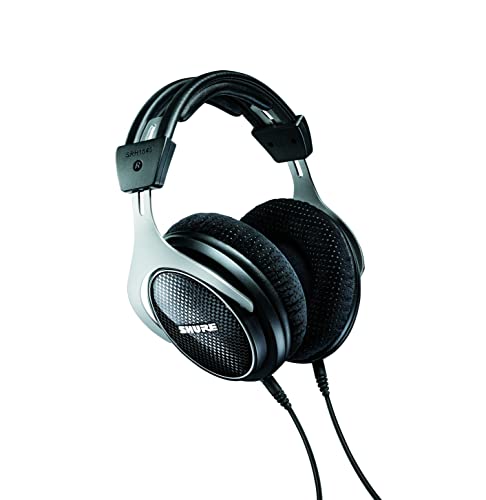

Shure SRH1540 Review: The Straight Facts
If you’re searching for truly dependable closed-back headphones, the Shure SRH1540 (see current price) stands out—not because of flashy design or aggressive branding, but through its focus on comfort, robust construction, and reliable sound quality. This review breaks down what the SRH1540 offers, who it best serves, and how it holds up against the competition, guiding you from design to performance with each step building on the last.
Who Is the Shure SRH1540 For—and Where Does It Fit?
The SRH1540 isn’t made for those chasing the latest trends or status symbols. Instead, it’s crafted for anyone who cares about accurate, no-nonsense audio—recording engineers, mixers, musicians, and home users who need headphones that deliver honest sound without leakage. If your priorities are true-to-source listening and long-term reliability, the SRH1540 warrants a close look. However, those seeking ultra-portability, a budget pick, or ultra-neutral tuning might want to keep looking.
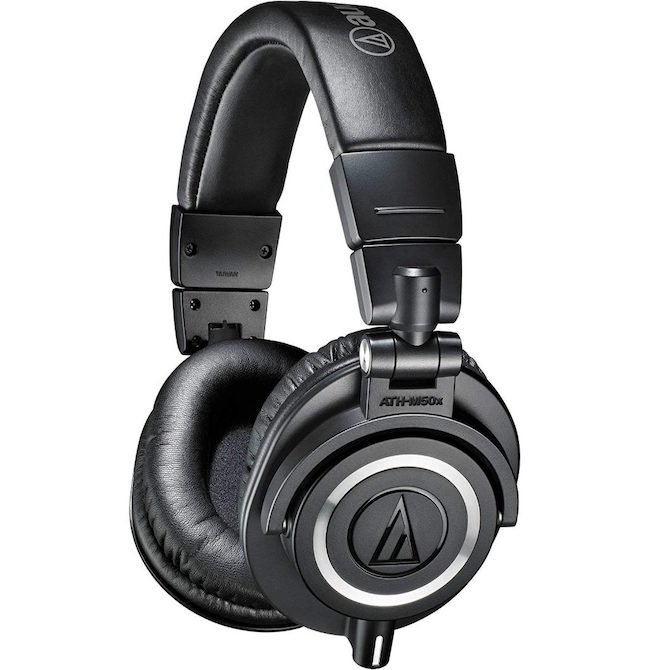
Within Shure’s respected headphone lineup, the SRH1540 takes a professional step above models like the SRH840 and SRH940. It’s designed for serious work, where closed-back isolation, durability, and comfort over extended sessions aren’t optional, but essential. In this regard, some users might also consider the Audio-Technica ATH-M50x as another closed-back alternative frequently mentioned alongside the SRH1540 for professional and home use.
Design, Build, and Everyday Use
First impressions matter—especially for gear you plan to use daily. Shure’s heritage in studio-quality microphones is mirrored in the SRH1540’s construction, prioritizing function and durability at every point of contact.
Materials and Construction
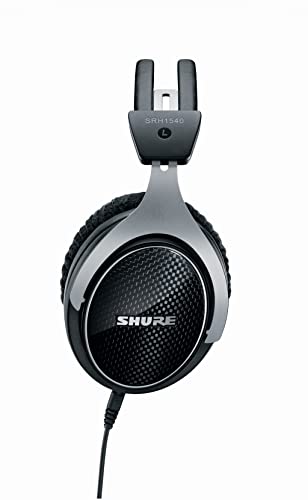
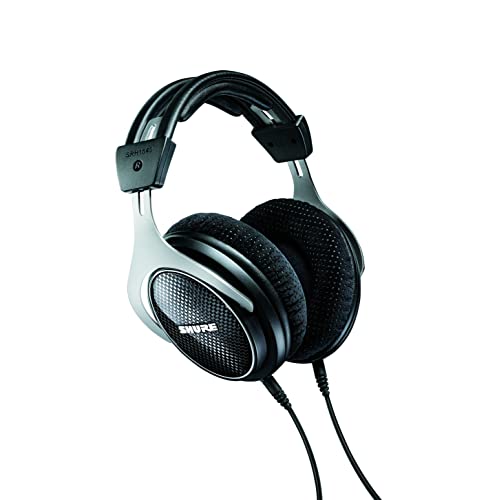
While many “professional” headphones in the market rely heavily on plastic, the SRH1540 opts for premium materials: aluminum alloy yokes, carbon fiber caps, and Alcantara ear pads. These thoughtful choices result in a sturdy yet refined build that feels ready for long-term use—while remaining comfortable. Adding to the appeal, all key parts, from the headband and pads to the cables, are replaceable, transforming these cans into a true investment rather than a disposable product.
Comfort and Ergonomics
Comfort isn’t just about padding—it’s about balance, weight, and wearability across long sessions. Weighing just 286 grams, the SRH1540 is light enough for day-long use, and the soft Alcantara pads resist sweat while providing gentle support. The padded headband distributes pressure well, and the clamping force is firm enough for security without causing discomfort. While users with very large ears might find the pads a touch snug, most listeners will appreciate the overall fit.
Portability and Accessories
These headphones aren’t built to fold down or slip easily into a small bag, but with Shure’s included protective case, two detachable cables, and extra ear pads, the focus is clearly on reliable transport between studio or home base—making them a practical choice for people regularly moving between professional or home recording environments.
Understanding the Tech: What Makes the SRH1540 Work?
Under the hood, the SRH1540’s specs reveal a focus on practical performance:
- 40mm neodymium dynamic drivers
- Frequency response: 5 Hz – 25 kHz
- Impedance: 46 ohms
- Sensitivity: 99 dB SPL/mW
What do these numbers mean in the real world? You can drive these headphones easily from laptops, interfaces, or portable recorders—no need for a specialized amplifier (though one may bring subtle improvements). The SRH1540’s serviceability rounds out the technical highlights: all major components are replaceable, making these headphones as upgradeable and repairable as they are reliable.
Sound Performance: Honest, Detailed Listening
Let’s move from theory to practice. Listening on the SRH1540 gives a clear sense that these headphones are tailored for accuracy and everyday use—not for showiness, but for getting the job done right. For those who want to compare a closed-back approach to a widely respected open-back reference, the Sennheiser HD 600 is often cited as a benchmark for natural tonality and midrange, helping highlight the different strengths of each design philosophy.
Treble and Midrange
High frequencies are crisp and controlled, letting you hear fine details in complex mixes without artificial harshness. The SRH1540 presents the upper register with a gentle brightness that’s revealing yet easy to listen to. Moving into the midrange, you’ll notice it’s slightly recessed—vocals and guitars sit clearly in the mix but don’t dominate, which is helpful for long sessions where fatigue can set in if mids are too forward. That said, those who demand mids that “pop” might find the presentation a touch relaxed.
Bass Response
Down low, there’s reassuring depth and tightness: bass is extended and punchy, reaching into true sub-bass territory without becoming muddy or overwhelming. The sound remains balanced, supporting mixing and critical listening as effectively as it handles casual enjoyment.
Imaging, Soundstage, and Isolation
Closed-back designs often come with trade-offs, but the SRH1540 offers a surprisingly generous soundstage for its type, delivering clear instrument separation and solid stereo placement. While it won’t rival open-back headphones in pure spaciousness, it performs admirably for anything requiring privacy. Its closed-back nature also means leakage is low and outside noise is significantly reduced—two crucial features for both professional studio work and private home listening. Although some ambient noise may seep in under extreme conditions, isolation is more than adequate for most needs.
Power, Efficiency, and Comfort Over Time
One strength of the SRH1540 is its versatility: easy to drive from almost any source, it doesn’t force you into specific gear or setups. Combined with its comfort-focused design, this means you can wear it through long workdays or listening sessions without distraction or discomfort.
Pros and Cons: Summing Up Real-World Strengths and Weaknesses
Now that we’ve covered design and performance, let’s sum up what shines—and what might hold some users back.
- Pros:
- Accurate, dynamic sound with crisp highs and deep, controlled bass
- Premium materials and replaceable components ensure longevity
- Comfortable, lightweight design for long-term wear
- Low sound leakage and effective isolation
- Comes fully equipped with practical accessories (case, cables, pads)
- Cons:
- Higher price point than many competitors
- Midrange sound may feel a bit laid-back to some listeners
- Non-foldable, making them less ideal for frequent travel
- Soundstage is good for closed-backs, but lags behind open-back designs
- Not the most neutral tuning available
How the SRH1540 Stacks Up: Competition at a Glance
To appreciate what makes the SRH1540 unique, it helps to see how it compares to other highly regarded closed-back headphones.
- Focal Elegia: More expensive with a sharper, more analytical sound profile. Some users find this fatiguing, and while the build feels luxurious, the SRH1540 usually wins on comfort for long days.
- Beyerdynamic DT 1770 Pro: This model emphasizes both bass and treble, offering a punchier sound and a tighter fit. Durability is on par, but the SRH1540 is generally softer on the head during marathon sessions.
- Sennheiser HD 820: Sits in a much higher price tier, delivering an impressive soundstage for a closed-back headphone. However, it requires a powerful amplifier and a bigger investment, so it makes less sense for most users outside of top-tier studios.
In short, the SRH1540 represents a carefully considered balance: not the most neutral, not the most luxurious, but a strong middle ground of comfort, accuracy, and practicality.
Is the Shure SRH1540 Worth It?
For those who want headphones equipped for the real demands of long-term use—whether in a home studio or for serious personal listening—the SRH1540’s price is a fair reflection of build quality and reliability. You can find headphones with flatter responses or greater openness, but few match the SRH1540’s blend of serviceability, comfort, and balanced sound.
Bottom Line: Who Should (and Shouldn’t) Choose the SRH1540?
Consider the SRH1540 if you:
- Prioritize clear, honest sound with deep bass and crisp highs
- Need good isolation for private or studio listening
- Seek long-term comfort and durability, with easy parts replacement
- Want a straightforward, reliable headphone that performs without fuss
You may want to look elsewhere if you:
- Require highly portable, foldable headphones for travel
- Insist on the most open sound possible from a closed-back design
- Are shopping on a tight budget
- Work only with vocal-heavy or acoustic material and want the absolute flattest midrange
Final Verdict
If accurate, fatigue-free sound, comfort, and durability rank at the top of your audio wishlist—and you’re ready to invest in equipment that just works—the Shure SRH1540 is a rewarding choice. These headphones aren’t about flash; they’re built for long, satisfying hours of critical listening. For anyone who values reliability and real-world performance, the SRH1540 is easy to recommend and deserving of a place on your shortlist.