Audio Answers:
How Do Microphone Transformers Affect Sound Quality?
Question: “I keep hearing about microphones with and without transformers. What difference does having a transformer make to the sound of a microphone?”

Transformer-Coupled Microphones: Why They Matter
For anyone exploring audio recording—whether as a hobbyist or an emerging professional—the design of your microphone has a dramatic impact on the sound you capture. Among the many factors that shape microphone tone and performance, transformer-coupled outputs play a particularly vital role. Understanding how these components influence your recordings empowers you to make more informed equipment choices and ultimately, get closer to the sound you envision.
Demystifying the Microphone Output Stage
To truly grasp why transformers are still prized in modern recording, it helps to start with the basics of the microphone’s output stage. This final part of the microphone circuit is responsible for sending the audio signal down your cable to the preamp, audio interface, or recording device. A well-designed output stage ensures that the signal you capture remains true and uncompromised, while a poorly matched stage can rob your sound of character or clarity, no matter the quality of your other gear.
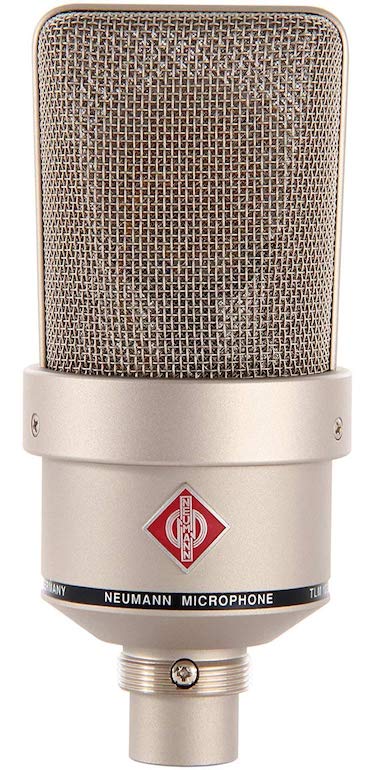
Microphone output stages generally fall into two categories: transformer-coupled and transformerless. Each comes with defining characteristics that are worth understanding as you build your audio toolkit. If you’d like a deeper dive into the specific technical differences and sonic qualities of each approach, this comprehensive article on transformer-balanced versus transformerless designs by Neumann offers a thorough, easy-to-understand breakdown.
- Transformer-coupled: Favored for their ability to impart warmth, color, and “vintage” character. For example, the AEA KU4 showcases how transformer-coupled output can lend a distinctive sonic signature to a high-end ribbon microphone.
- Transformerless: Preferred for their transparency, speed, and accurate reproduction of sound.
But what exactly are transformers, and what sets them apart?
Inside the Audio Transformer
An audio transformer is essentially two coils of wire—known as the primary and secondary windings—wrapped around a metal core, usually made of iron, steel, or nickel. Working through electromagnetic induction, transformers have long been used to shape and protect microphone signals. Far from being a technological relic, they remain central to many microphones due to their ability to refine, color, and even safeguard the audio passing through.
How Transformers Work: Step-Up, Step-Down, and More
Depending on how their coils are wound, transformers can either raise (step-up) or lower (step-down) the voltage of the signal. This winding ratio directly determines how your signal is processed as it leaves the microphone, and has significant sonic consequences. For instance, step-up transformers can boost quieter signals for better noise performance, while step-down versions handle hot signals without distortion.
Transformerless: The Slick Modern Alternative
In many new designs, transformerless output stages offer appealing benefits: they are smaller, lighter, and often less expensive to manufacture. Transformerless microphones tend to provide a clean and accurate (often described as “neutral”) sound that appeals to purists and those recording detailed sources, such as classical ensembles or field recordings. But in embracing absolute fidelity, transformerless designs often forgo the subtle tonal enhancements and noise-shaping abilities transformers provide.
Why Transformers Make a Difference
The choice between transformer-coupled and transformerless microphones goes well beyond technical specifications. It’s ultimately about what you want your recordings to sound like, and how reliably your gear will perform in the real world. Transformers offer several key advantages for both audio quality and signal integrity:
- Impedance Matching: Transformers help pair your microphone’s output with your preamp’s input for optimum signal transfer, preventing loss of clarity or volume. Classic preamps such as the Neve 1073SPX exemplify how transformer-coupled circuitry can shape the sonics of entire recording chains.
- Electrical Isolation: By physically separating your microphone from the outside circuit, transformers block ground loops and hum, ensuring cleaner recordings even in electrically noisy environments.
- Noise Rejection: They also excel at quelling “common mode noise”—that is, interference that can sneak in via your cables. This is vital when working in live settings, older studios, or anywhere electromagnetic interference is a risk.
How Transformers Actually Shape Your Sound
While the above benefits are partly technical, the true allure of transformer-coupled microphones lies in their impact on sound character. Let’s dig into these subtle (and sometimes dramatic) influences:
- Frequency Response: Transformers are never perfectly linear, and their presence often introduces gentle boosts or cuts at the frequency extremes. For many engineers, this coloration flatters vocals or instruments, adding a “mix-ready” quality.
- Harmonic Distortion: When transformers process an audio signal, they generate additional harmonics. Far from being a drawback, these harmonics can add warmth, richness, and a vintage sheen that many listeners and artists find musical.
- Transient Response: Fast, sharp sounds—like a snare drum hit—can be subtly smoothed or rounded by a transformer’s physical limitations, helping aggressive signals sit more comfortably in a mix.
- Headroom and Saturation: Push a transformer hard and, unlike pure digital circuits, it may gently saturate rather than abruptly distort. This saturation can thicken or “glue” a sound, but pressing too far can muddy details—so a light touch pays off.
These influences help explain why vintage microphones, prized for their transformers, continue to fetch top dollar and inspire modern recreations.
“Character” in Microphone Design: The Transformer’s Signature
The term “character” gets thrown around a lot in audio circles, but when it comes to transformer-coupled microphones, it’s grounded in real, measurable changes to phase, resonance, and frequency response. This musical coloration is one of the main reasons vintage models and modern transformer-equipped microphones remain so highly regarded—and why many engineers seek out particular transformers for certain voices or instruments.
Best Uses for Transformer-Coupled Microphones
With all this in mind, when should you reach for a transformer-coupled microphone? Their sonic footprint can be a sweet pairing with many sources:
- Vocals: If you’re after presence, richness, and a sense of depth, the transformer’s subtle harmonics and rounding effect often elevate vocal performances, especially in tube designs.
- Guitars & Acoustic Instruments: The added harmonics and forgiving transient response complement stringed instruments, delivering warmth that helps them sit well in the mix.
- Drums & Percussion: For drums, transformers can tame aggressive attacks, tighten lows, and add punch—key reasons they’re favored on kick, snare, and overheads.
Not All Transformers Are Created Equal
Digging deeper, it’s worth knowing that a transformer’s sonic signature is shaped by more than just “having one.” The following factors contribute to how each transformer affects your recordings:
- Core Material: Iron and steel tend to introduce warmth and thickness, while nickel brings a more open and clear sound. Many top manufacturers blend these for a balanced tone.
- Core Size: Physical size impacts headroom and bass handling. Larger cores provide more space for big dynamics and low end, while smaller ones saturate sooner for pronounced coloration but limited maximum levels.
- Winding and Lamination: The precision of the windings, and how the core is laminated, affects both clarity and phase coherence—sometimes dramatically altering a transformer’s sound.
- Output Impedance Matching: Proper matching between transformer and preamp is essential for optimal transfer. While deliberate mismatches can be used as creative tools, they can also introduce unintended coloration or level drops.
Transformerless Designs: Choosing Clarity Over Color
While transformer-coupled microphones offer character and sonic shaping, there are times when you’ll want the sheer accuracy of transformerless designs. Their clean, open character is perfect for genres that demand transparency, such as classical, jazz, or field recording. These mics also tend to be lighter, more affordable, and offer quieter operation—but generally, they don’t inject the warmth or presence that transformers can.
Classic Microphones and the Legacy of Transformers
Many of the most beloved microphones in history owe their sound to carefully selected transformers. For reference, here are a few standout models:
- Neumann U87 (vintage) – Versatile studio staple known for balanced, musical color
- AKG C414 EB – Revered for warm, rich tone and gentle presence
- Shure SM7B – Punchy and natural for vocals and broadcast alike
- RCA 44 – Classic ribbon design with unmistakable transformer magic
Modern companies like Warm Audio and Soyuz continue to craft transformer-equipped microphones that blend vintage sound with 21st-century reliability. The specific transformers they (and other manufacturers) use are no less influential:
- Lundahl (Sweden) – Renowned for clarity and accuracy
- Jensen – Characterized by a full, rounded low end and smooth highs
- Sowter (UK) – Popular for vibrant, characterful British color
- Cinemag – Well-regarded for delivering vintage-appropriate warmth and punch
How to Decide: Transformer or Transformerless?
In the end, choosing between transformer-coupled and transformerless microphones comes down to the sound you want and the way you work. If you value warmth, depth, or a signature character—whether for vocals, strings, or drums—transformer-based designs are often the best match. If absolute neutrality, detail, and minimal coloration are your priorities, transformerless models might be the right fit.
Think about the material you’ll be recording, your preamp pairing, and above all, the sonic identity you want to create. The “best” mic is the one that helps you reach your goal, regardless of price or popularity.
The Takeaway
Transformers are far more than just vintage curiosities in audio gear; they are powerful tools for sculpting, enhancing, and protecting your sound. By weighing the strengths of both transformer-coupled and transformerless microphones, you can make smart, creative choices suited to your style and recording needs. Whether you’re chasing classic warmth or clinical accuracy, understanding this fundamental design difference puts the art of great sound a little more comfortably within your reach.