Sennheiser MD 421-II

Sennheiser MD 421-II Review: Is This Classic Mic Still Worth Buying?
For more than six decades, the Sennheiser MD 421-II (see current price) has been a familiar sight in studios and stages worldwide. While not designed to be a catch-all solution, this microphone has carved out a legendary reputation for consistently delivering reliable, high-quality audio—particularly when it comes to capturing instruments such as drums and amplifiers. In a world full of modern alternatives, such as the Audio-Technica AT4040, and specialized mics, does the MD 421-II still justify its place in your collection? If you’re curious whether this enduring workhorse is right for your needs, read on for a full breakdown of its design, performance, and best uses.
Why the MD 421-II Remains a Studio Staple
The impressive longevity of the MD 421-II isn’t just luck. Sennheiser engineered this mic with a clear focus on durability, utility, and consistent sound reproduction. Its classic status is the result of a proven track record: when you reach for the MD 421-II, you know exactly what to expect. In many situations, such dependable traits matter more than chasing the latest bells and whistles, especially for professionals who need repeatable results.
Yet, this isn’t a microphone designed to impress with looks or flashy features. Instead, it has become a go-to tool for audio engineers due to its unwavering reliability, versatile sound profile, and capacity to withstand years of heavy use—qualities that explain its continued presence even as technology evolves around it.
If you’re interested in a deeper dive into how this microphone earned its legendary reputation, you can read a comprehensive history of the Sennheiser MD 421 and its technical evolution that highlights its development, innovations, and why it’s still a staple in the audio world today.
Design, Build, and Handling
Before considering sound or features, it’s important to understand the physical characteristics of the MD 421-II, as these directly impact how—and where—you can use it most effectively.
Recognizable Form Factor
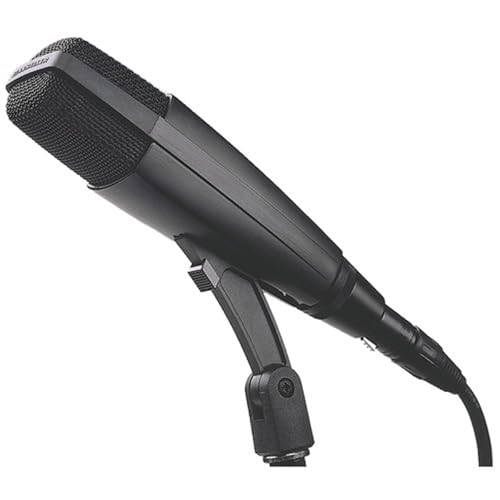
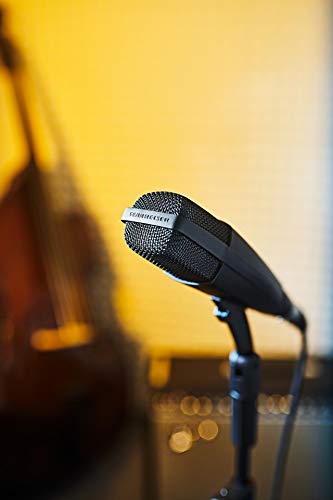
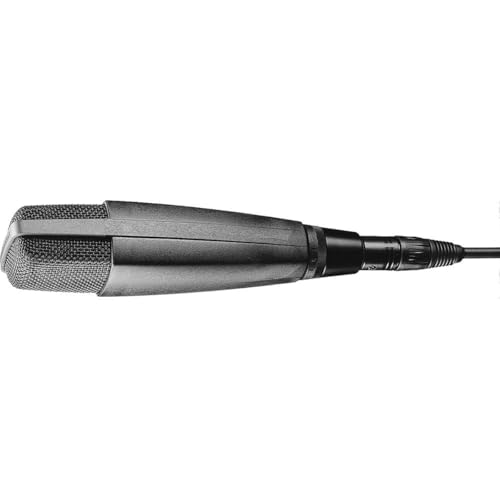
The MD 421-II commands attention with its sizable black plastic body and distinctive silver grille, making it instantly recognizable in any studio. While at first glance its mostly plastic construction might seem underwhelming, the MD 421-II is built with longevity in mind, designed to endure regular studio sessions, live gigs, and minor mishaps alike.
Handling and Mounting
If there’s one practical challenge newcomers may notice, it’s the MD 421-II’s proprietary mic clip. Setting up can require a little patience, and the size of the microphone sometimes makes close placements tricky, especially in crowded drum kits or tight amp spaces. Nonetheless, in typical recording or broadcast scenarios, the process quickly becomes routine for most users. Aside from the occasionally finicky clip, you can count on robust day-to-day performance.
Core Specifications and Standout Features
Understanding the specs behind the MD 421-II helps explain why it’s remained so popular for demanding applications.
- Type: Dynamic, cardioid
- Frequency Response: 30 Hz – 17 kHz
- Impedance: 200 Ohms
- Sensitivity: –54 dBV/Pa
- Connector: Standard XLR
Beyond the basics, the MD 421-II distinguishes itself with several unique features:
- 5-position bass roll-off switch allowing custom control over low end response
- Excellent off-axis rejection to minimize background noise and bleed
- Sturdy build suitable for both studio and touring environments
- Exclusive proprietary mic clip (a mixed blessing for some users)
Sound Performance and Practical Applications
Once set up, the MD 421-II’s true strength emerges in its wide range of possible applications. Its sound character is where this mic has truly earned its stripes, especially for instrument recording, a realm where specialized microphones like the Warm Audio WA-14 are also frequently considered.
Punchy, Present, and Purposeful
On drums—especially toms—and guitar amps, the MD 421-II captures attack and fullness without letting the low end turn muddy. There’s a subtle boost in the higher frequencies which helps instruments cut through the mix, while still delivering enough warmth to avoid harshness.
For brass instruments or narration (voiceover), it delivers a well-rounded tone right out of the box and often requires less post-processing than some competitors in this category. However, when it comes to studio vocals, some users notice a touch of midrange dip and a bit of upper-frequency bite. This can result in vocals sounding more ‘edgy’ or, with certain voices, even a bit nasal—making it less flattering for lead vocals compared to typical large-diaphragm condenser microphones.
Handling Noise and Plosive Rejection
Like many dynamic mics, the MD 421-II is built to tolerate loud sound sources with little to no distortion, which is why it excels in front of drums and amps. However, it isn’t as forgiving with plosives or handling noise if used handheld, so a pop filter or stable mount is advisable for close vocals or broadcast work. The upside: it shrugs off both high sound pressure and radio-frequency interference impressively well.
Who Uses the MD 421-II, and Why?
The practical strengths of the MD 421-II make it a common sight in a range of settings, from top-tier studios to touring acts and broadcast booths.
In the Studio
For tracking toms, kick drums, guitar cabinets, and brass, the MD 421-II is a staple. While it won’t dethrone high-end condenser microphones for lead vocals or drum overheads, few dynamics are more trusted for capturing the energy and nuance of loud, expressive sources. If your work frequently includes drums or electric instruments, this microphone quickly becomes indispensable.
On Stage and in Broadcasting
On the live stage, the MD 421-II shines for its ability to reject feedback and resist sound bleed, making it reliable even on bustling stages. Broadcast and voiceover professionals employ it for narration, although some EQ shaping is usually required to achieve the ‘radio-ready’ vocal presence. It’s worth noting, however, that its size and distinctive mounting system occasionally make fast mic changes a challenge in tightly choreographed setups.
Pros, Cons, and How the MD 421-II Stacks Up
Like any classic tool, the MD 421-II comes with a balance of notable strengths and caveats. Understanding both is crucial to deciding if this mic truly fits your needs.
What the MD 421-II Does Best
- Remarkably durable—built for years of heavy studio and live abuse
- Versatile enough to handle a wide range of sound sources
- Outstanding feedback and bleed rejection
- Handles high SPL (sound pressure levels) without distortion
Limitations to Consider
- Bulky design can hinder placement in tight setups
- Proprietary clip is less convenient and sometimes fragile
- Plastic looks may not appeal to all users
- Sensitive to plosives and handling—requires careful mic technique
- Sits above entry-price range—some more affordable alternatives exist
Comparison with Alternatives
It’s helpful to see how the MD 421-II compares to similar microphones, especially if you’re evaluating it for a specific purpose:
- Shure SM7B: A favorite for vocals and podcasting thanks to its smooth tone and forgiving mounting. Requires more gain than the MD 421-II, but is typically preferred for spoken word and broadcast. The MD 421-II’s brighter tone keeps it better suited for instruments.
- Electro-Voice RE20: Renowned for transparent, neutral reproduction and considered a broadcast standard. Mounting is simpler than the 421-II due to its shape. The Sennheiser is more adaptable for varied instrumental tasks.
- AKG D112: Optimized almost exclusively for kick drums, with less flexibility overall. By contrast, the MD 421-II balances well across both drums and other instruments.
Who Should—and Shouldn’t—Consider the MD 421-II?
Not every setup will benefit equally from the MD 421-II, so it’s important to match your needs to the mic’s strengths and limitations.
Ideal Users
- Engineers recording a mix of drums, amps, and brass
- Studios prioritizing versatility and rugged dependability
- Live sound professionals seeking a robust, feedback-resistant option
- Broadcast and voiceover talent who occasionally need to record instruments and are comfortable with mild EQ
Who May Be Better Served by Alternatives?
- Vocalists seeking a smooth, refined sound without extra EQ
- Users needing a compact, unobtrusive mic for mobile or field work
- Those on a tight budget or who prefer standard mounting hardware
- Anyone wanting a do-it-all mic focused almost exclusively on vocals
Is the MD 421-II Worth the Investment?
Given its quality and consistent performance, the MD 421-II is a worthwhile investment for many users—especially those needing a durable solution for a range of instrument and broadcast applications. While it’s not the cheapest dynamic mic available, its resilience and versatility often justify the upfront cost for professionals and passionate hobbyists alike. On the other hand, if your work is singularly focused or budget constrained, there are more specialized or affordable choices to consider.
Conclusion: A Reliable Classic with a Clear Purpose
Ultimately, the Sennheiser MD 421-II remains a proven, practical choice for musicians, engineers, and broadcasters who value reliability and adaptability over the latest trends. Its unique combination of robust construction, flexible sound profile, and trusted reputation continues to make it a staple in demanding environments—even if its size and clip pose occasional frustrations. If you treat it with care, the MD 421-II is likely to remain a valuable part of your setup for years, providing confidence on every session or stage.
For those focused solely on vocals or simplicity, a different model may suit you better. But if you’re building a toolkit for real-world recording challenges, the MD 421-II is a classic that still earns its keep.