Audio Answers:
What Do Speaker Specs Like Sensitivity and Impedance Mean?
Question: “I’m shopping for new speakers and I keep seeing numbers like sensitivity, impedance, and power ratings. What do these mean, and why are they important?”

Understanding Speaker Specs: Building a Great Audio System
Building an audio system can feel overwhelming, especially when faced with a list of unfamiliar speaker specifications. Yet, understanding a few key terms—sensitivity, impedance, and power ratings—can make your equipment choices much easier and more effective. These speaker specs aren’t just numbers on a box; they directly influence how your system sounds, performs, and holds up over time.
Let’s look at what these specifications mean, why they matter, and how you can use them to create a balanced, enjoyable listening setup.
Sensitivity, Impedance, and Power: The Foundations of Speaker Selection
Speaker specifications might seem complex at first glance, but breaking down their core elements reveals how each factor contributes to your system’s overall performance. We’ll start with sensitivity, then see how impedance and power interact, and finally, consider how to bring all three together for a smooth, powerful listening experience.
Sensitivity: Getting the Most Sound for Your Power
Sensitivity tells you how efficiently a speaker turns power into sound—essentially, how loud it gets for a given input. Expressed as something like “88 dB @ 1W/1m,” this rating means the speaker delivers 88 decibels of sound when powered with 1 watt and measured from one meter away. Put simply: higher sensitivity equals more volume with less power.
For example, a speaker rated at 88 dB will sound noticeably louder than one rated at 85 dB, even if both use the same amplifier. This can be a big advantage if you’re working with a modestly powered amp or want high output without driving your equipment too hard.
However, keep in mind that manufacturers test sensitivity under ideal, controlled conditions. Real listening spaces add their own acoustic quirks, but sensitivity remains a reliable comparative measure when shopping.
When does sensitivity matter most? If your amplifier is on the lower-powered side, high-sensitivity speakers help you achieve a satisfying volume without strain. In smaller rooms or where you listen up close, extreme sensitivity isn’t as critical. But in larger rooms or for higher-volume needs, sensitivity becomes a major factor—influencing not only loudness but also your amplifier choice and budget.
Impedance: Safely Pairing Speakers and Amplifiers
As you zero in on compatible gear, the next crucial factor is impedance. Measured in ohms (Ω), impedance represents how much your speaker resists the flow of current from the amplifier. Unlike a simple resistor, a speaker’s impedance shifts as it plays different notes, so the value you see—commonly 4Ω, 6Ω, or 8Ω—is a guideline known as the “nominal” impedance.
Why is this important? Lower-impedance speakers (like 4Ω models) draw more current, causing your amplifier to work harder. Using a speaker with a lower impedance than your amplifier is rated for can lead to overheating or even permanent damage. On the other hand, higher-impedance speakers are easier on the amp, but may not play as loud with the same power.
It’s worth noting that even two speakers labeled as “8Ω” might not perform identically; one could “dip” to a lower impedance at certain frequencies, which can stress your amp unexpectedly. Always check your amplifier’s manual for minimum supported impedance, and make sure your speaker’s nominal rating meets or exceeds this value. You’ll keep your system running safely and efficiently.
Power Ratings: What Your Speakers and Amp Can Really Handle
The third pillar in matching speakers and amps is understanding power ratings. Most products list two main numbers:
- RMS (Root Mean Square): The continuous power a speaker can safely handle and the most important figure to consider.
- Peak Power: The maximum a speaker can handle in short bursts—useful for marketing, but less relevant for most listeners.
Program power sometimes appears on pro-audio gear, but is less relevant for typical home setups.
Aim for your amplifier’s power output per channel to closely match (but not significantly exceed) your speaker’s RMS rating. Using an amp that’s much more powerful than your speakers can result in blown drivers at high volumes. Conversely, using a weak amp and pushing it into distortion can also harm your speakers—especially the more delicate tweeters. Reliable, undistorted power is what’s best for both performance and longevity.
Putting It All Together: Creating a Matched Audio System
Now that you understand the core specs, the next step is combining them for a harmonious system. This approach not only maximizes sound quality, but helps avoid common pitfalls associated with mismatched gear.
Start by confirming your amp and speakers can safely work together:
- Impedance: Ensure your speakers’ impedance isn’t lower than your amplifier specifies.
- Power: Match your amp’s RMS output per channel to each speaker’s RMS rating, aiming for balance without exceeding limits.
- Sensitivity: Higher sensitivity extends volume while placing less demand on the amplifier, especially valuable in big rooms or when using less powerful amps.
- Room Size & Listening Habits: Be realistic about how you use your system; larger rooms and higher volumes call for both more power and higher sensitivity.
Examples: Common System Setups
- Home Audio: Most AV receivers pair well with 6–8Ω speakers, and typical sensitivities between 86–90 dB work for most living spaces. Plan on 50–100W RMS per channel.
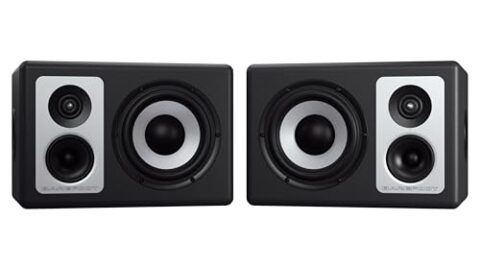
- Studio Monitors: Powered (active) speakers already have matched internal amplification, simplifying the process. While impedance and power are taken care of, sensitivity is still worth noting if you need particularly loud monitoring.
- Live Sound: Large venues require speakers with very high sensitivity (often 95 dB or more) and robust amplifiers. Only use low-impedance speakers if your amp is specifically rated to handle them.
If your sound is weak, noisy, or distorts as you increase the volume, double-check that your gear is properly matched by all three specs. Good matching leads to better sound, less worry, and longer equipment life.
Beyond the Basics: Additional Speaker Specifications
Once you’re comfortable with sensitivity, impedance, and power, several other specs are worth considering to further refine your choices.
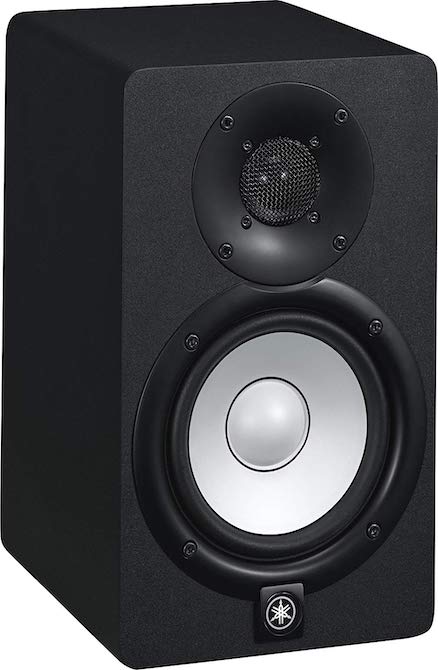
Frequency Response: This spec, often shown as a range (like 40Hz–20kHz), reveals which parts of the sound spectrum the speaker can reproduce. It’s not just the range, but the smoothness or “flatness” across those frequencies that affects how balanced your audio sounds. Some monitors, like the Yamaha HS5, are known for a particularly flat response that makes them popular in mixing environments.
Crossover Frequency: In speakers with multiple drivers, the crossover frequency decides which driver plays which frequency range. A well-designed crossover ensures seamless transitions, avoiding audio “gaps” or unnatural bumps.
Powered and Wireless Speakers: Active models have built-in amplifiers, managing power and impedance for you. Even here, sensitivity affects maximum output, but setup is streamlined compared to traditional passive speakers and amps. Active studio monitors like the Neumann KH 80 integrate amplification and DSP to maintain accuracy in a compact design.
For those interested in diving deeper into how these specs shape speaker performance, check out Monacor Magazine’s “Thiele‑Small parameters” overview—it walks through the key driver parameters and how they tie into enclosure behavior.
Conclusion: The Path to Great Sound
A great audio system isn’t just about brand names or aesthetics—it’s about choosing components that work together. By understanding and matching key specs like sensitivity, impedance, and power ratings, you lay the groundwork for excellent sound, reliable operation, and many years of satisfaction.
Taking the time to get these basics right means fewer frustrations, better music, and a system that meets your needs both now and as your tastes grow. With these fundamentals in hand, you’re well on your way to building an audio setup that delivers clarity, impact, and genuine enjoyment.