LCT 1040

Is the LCT 1040 Worth It? A Quick Take
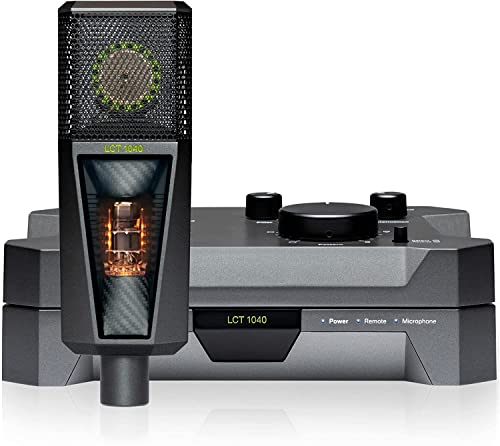
The Lewitt LCT 1040 microphone system (see current price) is built for creators who crave both precision and versatility in their sound. Blending vintage warmth with modern clarity, it empowers you to shape recordings as you see fit, all at the touch of a button—or a dial. In this regard, some users might draw comparisons to the Warm Audio WA-251, another high-end condenser that marries traditional tube character with present-day fidelity. While it’s an investment in both money and time, particularly when compared to plug-and-play condenser mics, it was designed with professionals and passionate enthusiasts in mind. If you’re willing to climb the learning curve, the LCT 1040 might just transform your workflow.
If you’re curious about the origins and technological evolution of condenser microphones, it’s worth checking out this comprehensive history of the condenser microphone that explores their invention, major advancements, and lasting impact on audio recording. This added context really highlights how far designs like the LCT 1040 have come.
Let’s dive in to see what makes this microphone system special, and whether it lives up to its premium reputation.
Unpacking Design and Setup
First Impressions and Build Quality
The moment you handle the LCT 1040, its robust, professional construction is immediately apparent. Everything about this microphone says “purpose-built”—from the solid metal body to reinforced connectors and tactile, illuminated controls. Each accessory, including the sturdy shock mount and custom flight case, reflects a thoughtful approach to protecting your investment and enhancing daily use.
Unlike simpler, single-unit mics, the 1040’s system includes a remote control unit and a dedicated power supply, making it feel more like assembling a modular piece of studio gear than just plugging in a mic. Although this might seem daunting at first, every design detail serves a specific function, and once set up, the logic behind the system quickly becomes clear.
Setup Process: What to Expect
Don’t expect instant plug-and-play operation. You’ll be routing a multi-core proprietary cable, connecting an external remote, and positioning the microphone for optimal use. While the initial setup requires a bit of patience, you’ll soon be rewarded with an intuitive workflow—especially when you realize you can tweak settings from your seat without interrupting a session. Think of setup as building a central command station for your sound, not just unboxing another mic.
Core Features and Technical Details
The LCT 1040 stands apart by offering more than just great sound—it adds real-time customizability and power-user functionality to the mix. Here’s a breakdown of its most notable specs and design features:
- Externally polarized, large-diaphragm condenser capsule
- Frequency response from 20 Hz to 20 kHz provides a flat, natural sound
- Continuously variable polar patterns (cardioid, omni, figure-8, and blended settings)
- Switchable ECC82/12AU7 tube and FET circuits for tonal variety
- Maximum dynamic range up to 133 dB
Several signature features elevate the LCT 1040 beyond typical studio microphones:
- Four Tube Character Settings: Choose from Clear, Warm, Dark, or Saturated—each one tailoring harmonics and response to match your source or creative direction.
- Remote Control: Manage polar patterns, blend circuits, engage pads, and activate low-cut filters—all while seated at your rig. This seamless control can be a workflow revelation when inspiration strikes.
- Analog XLR Signal Path with Proprietary Cabling: While the system uses digital control, all audio signals remain in the analog domain. Be aware, though, that standard XLR cables won’t substitute in a pinch.
If you’re after a traditional plug-and-record workflow, this may feel overengineered. But for those who thrive on flexibility and hands-on control, the LCT 1040 brings a unique toolkit to the table.
Sound Quality and Performance in Practice
With design and setup in mind, let’s move on to what really matters most: how the LCT 1040 sounds, and how it performs in real-world scenarios. This is where its technical versatility becomes truly meaningful.
Adaptability and Tonal Range
The LCT 1040’s main attraction is its ability to cover a wide sonic landscape. Activate FET mode for pure, transparent capture with exceptional detail—ideal for nuanced vocals or acoustic instruments. Switch to tube mode and you’ll add harmonic color—smooth warmth, subtle saturation, and enhanced presence—without overwhelming your source. Tube coloration is refined, lending polish rather than heavy-handed “vintage” effect, and the four tube character settings give you further subtle but discernible sonic shifts.
Noise Floor and Sensitivity Considerations
For a tube-equipped mic, the LCT 1040 keeps self-noise impressively low, especially in FET mode. While not entirely silent in the most critical, whisper-quiet settings, it easily meets the standards for high-end studio use. If you’re recording loud singers, dynamic instruments, or typical studio sources, noise is a non-issue. However, engineers working exclusively with extremely delicate material might notice more noise than ultra-quiet solid-state microphones—true of most tube models in this league.
A Versatile Tool for Multiple Applications
This microphone’s broad tonal control makes it at home across countless studio tasks:
- Vocals: Handles a huge range—pop, rock, R&B, or cinematic performances all sound focused and natural.
- Instruments: Acoustic guitars, strings, and pianos benefit from its clarity and warmth. For punchy drums or percussion, you might still reach for a dedicated dynamic or ribbon mic.
- Broadcast and Voiceover: The precision and remote control features are impressive, but may be more than most broadcasters or podcasters truly need.
Most notably, the remote control allows in-session changes without breaking creative flow—a tremendous advantage during complicated vocal stacks or session work with demanding clients.
Pros, Cons, and the User Experience
Understanding both the benefits and pitfalls of the LCT 1040 system can help you make an informed choice.
- Pros:
- Unmatched tonal flexibility via circuit blending and tube settings
- Efficient, distraction-free remote operation
- Extremely durable and thoughtfully engineered hardware
- Adapts to nearly any recording situation in a professional studio
- Cons:
- Hefty price may be out of reach for many studios or hobbyists
- Complex setup and increased studio footprint compared to single-body mics
- Tube coloration is subtle—engineers after classic, prominent “vintage” effect may prefer original tube models
- Proprietary cabling can complicate replacements and quick fixes
The 1040 suits those who value flexibility, premium build, and efficiency in constantly changing scenarios.
Comparing the LCT 1040 to Other Studio Legends
To further understand its value, it helps to see how the LCT 1040 stacks against industry benchmarks. Its closest competitors aren’t entry-level models—they’re legendary microphones like the Neumann M149, Telefunken U47 reissue, and Sony C800G. Let’s see how they compare:
- Neumann M149: A gold standard for polished, lush sound, the M149 excels in reliability but offers fewer tonal options and less flexibility during a session.
- Telefunken U47 Reissue: Revered for rich, vintage character, this classic prioritizes color over flexibility—good if you want “one great sound,” not many choices.
- Sony C800G: Famed for ultra-clear, detailed vocals with a streamlined signal path, but with no real-time tonal shaping or circuit blending.
The LCT 1040 isn’t meant to compete directly with these icons in their specific sonic signature. Instead, it targets those who want adaptive control and real-time versatility—a “chameleon” tool rather than a single, decades-old recipe.
Is the LCT 1040 a Good Value?
With a price that puts it firmly among the studio elite, the LCT 1040 is a significant investment. Its real value comes from the time saved, sessions streamlined, and creative flexibility unlocked. For producers and engineers who record a range of artists, genres, or instruments week after week, the initial cost can be justified by its adaptability and workflow improvements. Just remember that Lewitt, while innovative, doesn’t yet have the decades-long brand cachet—or resale stability—of Neumann or Telefunken.
Who Will (and Won’t) Benefit Most from the LCT 1040?
The LCT 1040 plays best to certain strengths—and certain types of users. Let’s clarify who will get the most out of this system.
Ideal Users
Boutique and commercial studios recording multiple genres, producers who demand on-the-fly tonal changes, and engineers who need “one mic to rule them all” will see the most benefit. For podcasting, home voiceover, or basic music production, classic large-diaphragm condensers like the Neumann TLM 103 might offer a simpler and more cost-effective solution. The same goes if your engineering approach is less about tweaking and more about getting great sound right away.
The Bottom Line: Final Verdict
The Lewitt LCT 1040 is a tool for those who want mastery over every aspect of their recorded sound. With its blend of robust construction, thoughtful workflow innovations, and a wide sonic palette, it stands out for professionals who regularly face new recording challenges—and who are willing to invest both time and money in a flexible, futuristic microphone system.
For those just starting out, or whose needs remain straightforward, a simpler condenser remains an equally valid—and often much more practical—choice.