
AEA KU4 Unidirectional Ribbon Microphone
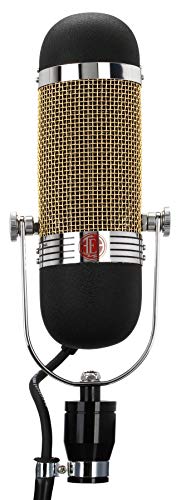

AEA KU4 Unidirectional Ribbon Microphone
If you are searching for a microphone that delivers unmistakably vintage ribbon character, paired with modern control and isolation, the AEA KU4 (see current price) stands out as a compelling option. However, it demands a significant investment—both in price and setup. If your priorities are flexibility, neutrality, or affordability, it’s worth considering neutral condenser microphones like the Neumann TLM 103 as alternatives. Let’s walk through what makes the KU4 unique, who it’s built for, and where it fits in today’s audio landscape.
Understanding the AEA KU4: Purpose and Audience
At its core, the KU4 is a premium ribbon microphone engineered for those who value sonic character above all else. Unlike standard condensers or utility microphones, the KU4 is designed for audio professionals, musicians, and engineers seeking the classic warmth of old-school ribbon mics—but with better focus and modern handling. This is not a mic built for everyday home recording or content creation on the fly. Rather, it shines in controlled studio environments, where the nuances of a microphone’s sound are just as important as those of the source being recorded.
The KU4’s Pedigree: Vintage Inspiration, Modern Approach
To appreciate what sets the KU4 apart, it helps to understand its heritage. AEA is well known for reviving and reimagining vintage ribbon microphone designs with modern reliability. Hand-assembled in the USA, their mics pay homage to the golden age of recording while addressing the demands of today’s studios.
In particular, the KU4 draws inspiration from the rare RCA KU3A. The KU3A became legendary for its vibrant, forward sound, but it’s a rarity on the vintage market. Most ribbons offer a figure-8 pickup pattern, which can capture unwanted room ambience. The KU4 breaks from this tradition with its supercardioid pattern—still uncommon among ribbons—delivering focused capture and superior rejection of side and rear noise. This blend of classic sound and precise directionality is central to its identity. If you’re curious to dig deeper into the broader legacy and appeal of ribbon microphones in studio recording, it’s worth checking out this article on the enduring appeal of ribbon microphones, which explores their history, distinct sound, and ongoing relevance for audio professionals.
Design, Build, and Care: Form Supports Function
The physical presence of the KU4 is immediately striking. Substantial and solid, weighing over 4 pounds and longer than most studio mics, it exudes retro charm with its robust metal body and classic grill. This isn’t a microphone you mount casually or use handheld; a sturdy, dedicated mic stand is essential.
Inside, AEA protects the fragile ribbon element with a durable housing. Despite this, as with all ribbons, the KU4 must be handled gently—especially to shield it from wind and accidental application of phantom power, either of which can damage the ribbon. The included yoke mount enables precise, stable placement, but accessories are otherwise minimal. This approach assumes you’re equipping a professional or semi-professional setup.
Technical Overview: The KU4’s Standout Features
Delving into the specifications, the KU4 is shaped for distinctiveness rather than neutrality:
- Polar Pattern: Supercardioid—focuses on the source directly in front while minimizing room pickup, excellent for isolation in busy studios.
- Frequency Response: Prioritizes mids with a gentle high roll-off, producing a warm, characterful sound—ideal for capturing sources that benefit from additional body and less edge.
- Sensitivity: As a passive ribbon, it is relatively quiet, so you’ll need a high-gain, low-noise preamp (aim for at least 60 dB of gain).
- Maximum SPL: Easily exceeds 140 dB, making it suitable for loud signals—such as amps or brass—without unwanted distortion.
- Additional Features: The short, focused ribbon supports controlled pickup; the protective grill adds extra ribbon safety (though you should still use a pop filter); and the passive design means phantom power is strictly off-limits.
Performance in Practice: What the KU4 Brings to Your Recordings
The distinction of the KU4 becomes especially clear once you put it to use. Its sonic signature, pattern, and construction come together to serve several critical recording roles:
Vocal and Instrument Applications
For vocals, the KU4 excels at taming sibilance and bright edges, giving a smoother, more present sound that many condensers can’t match. Its warmth reduces harshness, while the focused pickup minimizes boominess—a common issue in ribbon close-miking—though the proximity effect is still there for creative shaping. If you crave the crisp “air” of condenser mics, the KU4 won’t deliver that sparkle, but it offers a rewarding alternative for classic or jazz vocals. Musicians seeking a tube condenser microphone with vintage qualities might also want to explore the Warm Audio WA-251 as another classic sound option for comparison.
On instruments, it adds heft and richness to pianos, strings, horns, drums, and amplified sources. The KU4’s voicing helps soften aggressive transients and smooth out overt brightness, especially valuable when miking brass or electric guitar amps. However, if you’re after absolute sonic transparency, its colored tone may not be your best fit; it’s tailored for vibe, not neutrality.
Studio Considerations: Handling and Suitability
The KU4’s low noise design and physical robustness help minimize interference and handling artifacts—provided you use suitable mounting and avoid abrupt movements. Because of its size, fragility, and need for specialized equipment (like robust preamps and stands), it’s not built for mobile or makeshift sessions. Its strengths shine in well-treated studio settings, where you want close, controlled capture and unique ribbon flavor without excessive room coloring.
Strengths and Limitations: Is the KU4 Right For You?
To guide your decision, it helps to look at both what the KU4 does best and where it may not align with your needs:
Where the KU4 Excels
- Imparts impressive warmth and a strong, vibrant midrange.
- Provides better isolation than most ribbon mics—great for minimizing room noise or bleed.
- Handles loud sound sources without audible distortion.
- Physically robust for a ribbon, with solid build quality.
- Offers a unique sound profile unattainable from general-purpose condensers or budget ribbons.
Potential Drawbacks
- Significant investment—priced at the high end of the ribbon market.
- Requires a capable preamp with ample clean gain.
- Large and heavy—preferable for permanent installations rather than frequent repositioning.
- Comes with minimal accessories; assumes you have studio essentials.
- Not suitable for those seeking completely neutral or transparent sound.
- Delicate ribbon requires cautious handling and may be costly to repair if mishandled.
How Does the KU4 Compare to Other Ribbons?
Understanding the broader ribbon microphone landscape can help clarify the KU4’s special role. Here’s how it measures up against three notable competitors:
| Model | Pattern | Voicing | Size | Price (approx) |
|---|---|---|---|---|
| AEA KU4 | Supercardioid | Warm, vintage, colored | Large/Heavy | High |
| Royer R-121 | Figure-8 | Neutral, open | Medium | Upper-mid |
| Coles 4038 | Figure-8 | Dark, smooth | Large/Heavy | High |
| Beyerdynamic M160 | Hypercardioid | Brighter, modern | Compact | Lower |
The Royer R-121 offers a more neutral ribbon character and figure-8 pickup, letting in more room sound but suiting a wider range of sources. The Coles 4038 brings a darker, fuller ribbon voice, though it’s also less focused than the KU4. Beyerdynamic’s M160 is lighter, more compact, and brighter-sounding, making it a flexible ribbon alternative for varied applications.
What sets the KU4 apart is its supercardioid pattern, bringing focused isolation and that unmistakable, vintage-infused presence—an uncommon combination among ribbons. That said, its higher price and studio-centric demands make it best suited to engineers who specifically need its traits. No ribbon is perfect for every application; the KU4 is a specialist by design.
Evaluating Value: Who Will Benefit Most?
The KU4 represents a substantial commitment, both financially and in the demands it places on your recording chain. Its price typically exceeds that of a Royer and is on par with the Coles 4038, so it’s not aimed at the casual tinkerer. Instead, it’s ideal for:
- Professional studios and seasoned engineers seeking that rare blend of vintage ribbon warmth and modern isolation.
- Vocalists and instrumentalists needing controlled pickup with reduced ambient coloration.
- Fans of the original RCA ribbon tone, but who desire 21st-century reliability and workflow.
- Those who’ve already invested in robust studio infrastructure—high-gain preamps, dedicated stands, and proper handling protocols.
If you’re on a tight budget, prefer a lightweight, do-it-all mic, or often record in less-than-ideal environments (such as untreated rooms or mobile locations), you may find more suitable—and practical—options elsewhere. Similarly, those who chase absolute sonic transparency should look toward neutral microphones such as the Neumann TLM 103 or flat-response ribbons.
Conclusion: Does the KU4 Have a Place in Your Studio?
The AEA KU4 is far more than just another ribbon mic. It’s a precision instrument: rugged, refined, and rooted in recording history, yet crafted for modern expectations. Its focused pickup, unique warmth, and robust build make it a rewarding choice for those who understand and need its specialized sound. However, it does require the right situation—dedicated studio space, proper gear, and a willingness to handle a premium tool respectfully.
If you’re equipped for ribbon mics and looking for that special blend of vintage flavor and contemporary focus, the KU4 will not disappoint. For others, the world of ribbons offers a range of choices to better suit your budget, workflow, and sonic needs. As always in audio, the right mic is the one that best matches your recording reality and artistic intent.




[…] with reducing noise pick-up from the environment, reviewing unidirectional options such as the AEA KU4 can help you make informed […]
[…] Favored for their ability to impart warmth, color, and “vintage” character. For example, the AEA KU4 showcases how transformer-coupled output can lend a distinctive sonic signature to a high-end […]
[…] and outputting very low signals—making preamp choice especially critical. For instance, the AEA KU4 showcases the unique sound and careful pairing requirements typical of this mic […]