
Elektron Analog Rytm MKII


Elektron Analog Rytm MKII Review: Deep Dive for the Passionate Producer
The Elektron Analog Rytm MKII (see current price) stands out as a hybrid analog drum machine and sampler—crafted for those who truly care about sound design, performance control, and long-term creative potential. With its advanced features and robust construction, it sits among the most sought-after instruments for electronic musicians who want more than just basic beats. Yet, its complexity and price put it firmly in the domain of users ready to invest both time and resources. If you’re looking for instant plug-and-play simplicity, this machine might not meet your needs. But for those willing to explore, the possibilities are vast and rewarding.
What Sets the Elektron Rytm MKII Apart?
Elektron, hailing from Sweden, has a reputation for forward-thinking hardware with distinctive workflows. When they released the original Analog Rytm, it was among the first to blend analog drum synthesis and sampling in a single device—a concept that set new standards for performance and sound design. The MKII model refines those innovations: it features a more durable chassis, an upgraded OLED display, and smarter, easier sample editing. These improvements address many of the original’s shortcomings but retain the depth and complexity that define the Rytm experience.
To fully appreciate what the Rytm MKII offers, it helps to look beyond its spec sheet—digging into how it feels, sounds, and fits into a modern workflow. When considering alternatives, some producers also compare advanced digital options like the Erica Synths LXR-02, which brings a different approach to drum synthesis and sequencing.
And if you want to explore how drum machines have evolved from their earliest incarnations to complex analog-digital hybrids like the Rytm MKII, it’s worth checking out this history of drum machines article—it puts Elektron’s innovations in context and reveals how these instruments have shaped music over the decades.
Design, Build, and Everyday Use
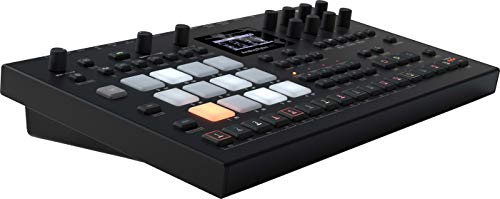
Physical Presence and Durability
The Analog Rytm MKII makes a powerful impression right out of the box. Weighing nearly 3 kilograms, with a sturdy metal chassis, it’s built to withstand years of intense use—whether in a busy studio or on the road. Every knob and pad feels solid and secure, supporting both expressive play and precise programming. The new OLED display is bright and clear, which is a welcome upgrade for all working environments and extended sessions.
Ergonomics also get careful attention here. The 12 velocity- and pressure-sensitive pads are responsive, making finger drumming and live performance satisfying and dynamic. While most main controls are logically arranged for quick access, it’s worth noting that the navigation keys can feel a bit close together, and the interface does carry a learning curve—especially if you’re new to Elektron’s signature workflow. Still, this is an instrument made for frequent, intense use, and users often find their hands learning new muscle memories over time.
Under the Hood: Core Features for Deep Creativity
The Rytm MKII’s appeal lies in its hybrid approach. It offers both authentic analog drum synthesis and digital sample layering—giving creators a unique palette for sound sculpting. Let’s look closer at how these elements combine to serve music production and performance.
Analog Drum Voices and Sample Layering
At its heart, the Rytm MKII features eight fully analog drum voices. Each uses genuine analog circuitry (including VCA, VCF, and VCOs), resulting in a punchy, warm, and lively sound character—a difference you’ll hear especially when compared to all-digital competitors. Layering allows you to combine these analog circuits with your own samples, opening up possibilities for both subtle enhancement and radical transformation. While the sample memory isn’t massive (so it’s less suited for large libraries or multisample instruments), it’s perfect for layering one-shots or adding signature sounds to your analog foundation.
Advanced Sequencing: More Than Just Patterns
The sequencer is another standout. Offering up to 64 steps per pattern, it lets you employ deep parameter locking, micro-timing, and conditional triggering—tools that take your grooves well beyond predictable loops. Whether you want slight rhythmic variations or entirely evolving patterns, the Rytm makes this possible. Real-time recording, step editing, performance macros, and probability settings all contribute to a sequencer that’s as creative as you are willing to make it (though expect a learning curve, especially as you dig deeper).
Connectivity and Digital Integration
Integration with the rest of your studio is handled adeptly: multiple audio outputs, stereo inputs, full MIDI In/Out/Thru, USB connectivity, and Overbridge support for software integration. The lack of CV/Gate means it won’t interface directly with modular hardware, but for most setups using MIDI or USB, connection is straightforward—and Overbridge extends its reach into DAW-based production when needed.
Navigation and menu diving can feel involved, especially at first. However, upgrades like the OLED screen and improved shortcut buttons make everyday use smoother and more efficient. Once you become familiar with Elektron’s workflow, the interface gradually reveals itself as logical and musical.
Sound and Performance: Real-World Impressions
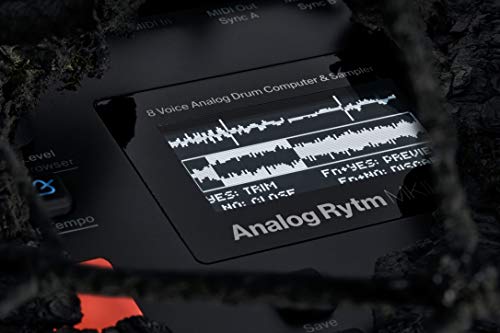
The actual experience of making music with the Rytm MKII is what cements its reputation among demanding musicians. Its analog sound engine gives every beat a tangible depth—something digital emulations rarely match. The ability to combine analog punch with sampled elements inspires experimentation, and the results rarely sound generic.
When it comes to sequencing and real-time manipulation, the Rytm’s performance features shine. Performance macros, scenes, and parameter control allow for bold, expressive changes, whether soloing, filtering, or morphing entire patterns on the fly. USB and MIDI syncing remain solid and dependable, which is crucial for studio integration and stage reliability. While firmware updates may occasionally introduce hiccups, Elektron is proactive about releasing fixes and new features. For those investing in live performance, this support offers peace of mind and continuous growth.
Strengths, Limitations, and User Fit
As with all specialized tools, the Rytm MKII is best for certain users and less ideal for others. Knowing its strengths and trade-offs helps you decide whether it matches your needs and ambitions.
What the Rytm MKII Does Best
- Exceptional analog sound—punchy, warm, and vibrant out of the box
- Creative flexibility with both drum synthesis and sample layering
- Rugged, professional construction for everyday or touring use
- Deep, expressive sequencing and performance controls
- Real-time creative control for dynamic live sets
Considerations and Potential Drawbacks
- Substantial learning curve, especially for newcomers to hardware
- Premium price; intended for serious users
- Sample memory is adequate for layering, but insufficient for large libraries
- Lacks CV/Gate for modular synth integration
- Menu navigation takes time to master
How Does the Rytm MKII Stack Up Against Competitors?
Understanding the Rytm in the broader landscape can help you identify what makes it unique, and whether it’s the best fit for your goals. Here’s how it compares to several popular alternatives:
- Elektron Digitakt: A smaller, more affordable sample-based drum machine. With its digital engine and streamlined workflow, the Digitakt is ideal for those just starting out or who don’t require analog circuits.
- Roland TR-8S: Focused on classic drum machine sounds with an easy interface and digital voice engine. While fast and intuitive, it lacks the analog depth and programming nuance of the Rytm.
- Akai MPC Live II: A powerful sampler and production workstation with a touchscreen and DAW-style features. Perfect for sample-heavy producers, but without the analog synthesis or compact form factor of the Rytm.
Each of these options has its own strengths, but none offers the specific blend of analog synthesis, extensive sequencing, and performance focus that define the Rytm MKII.
Is the Rytm MKII Worth the Investment?
If you want authentic analog drum sounds, deep hands-on control, and a tool that can adapt to both studio and stage for years to come, it’s an excellent investment. High build quality and steady resale value further support its long-term appeal. If your aim is quick, easy beat-making or you’re just testing the hardware waters, more accessible and affordable machines may be a better starting point.
Who Will Benefit Most from the Rytm MKII?
This instrument is best suited for:
- Experienced producers and performers who value long-term hardware
- Sound designers seeking distinctive analog drums and textures
- Live musicians who want maximum real-time control
- Curious users who appreciate deep hardware workflows and aren’t afraid of a steep learning curve
However, the Rytm MKII may not be suitable for:
- Those new to hardware or wanting instant results
- Producers on limited budgets, or those making beats as a hobby
- Anyone needing large sample banks or CV/Gate integration
- Users who prefer simple, direct interfaces without much menu navigation
Final Thoughts: A Serious Drum Machine for Serious Creativity
The Elektron Analog Rytm MKII represents the pinnacle of what a modern drum machine and sampler can be—if you’re willing to put in the work. Its analog voices and flexible sequencing system reward curiosity and persistence, while a robust set of performance tools invite both studio exploration and compelling live sets. If you’re searching for a quick-fix drum machine, this probably isn’t your match. But if you’re ready to delve into the depths of analog percussion and enjoy the journey of mastering a powerful hardware instrument, the Rytm MKII is a partner you can rely on for years to come.







[…] that most hardware rarely enters. This puts it in a similar exploratory space as the Elektron Analog Rytm MKII, another device favored for its unconventional rhythmic capabilities and hands-on workflow. But […]