Audio Answers:
What to Do When You Open Your DAW and Feel Stuck?
Question: “I feel stuck when I open my DAW. Sometimes I sit there staring at a blank session and just can’t figure out where to begin making music. How do I get past this creative block?”
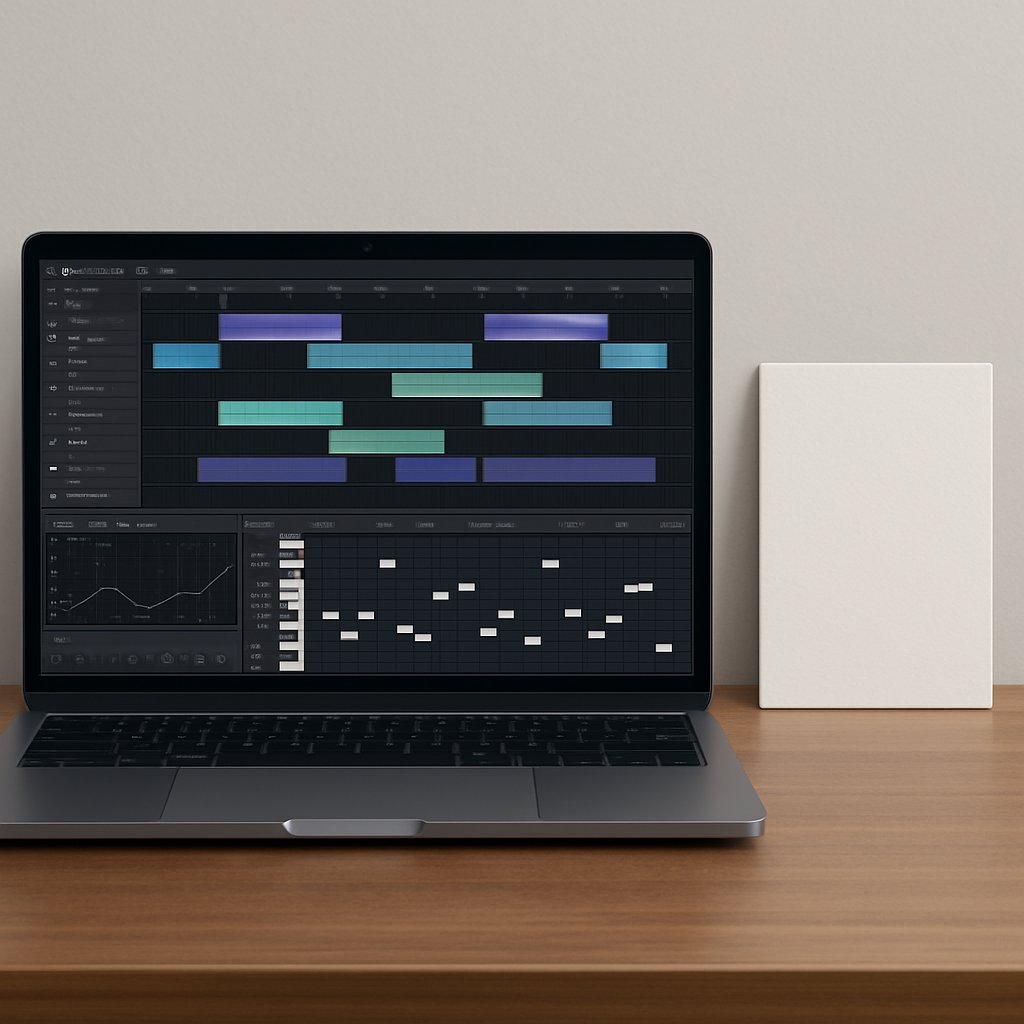
Moving Beyond Creative Block in Your DAW: A Cohesive Guide
Every music producer will eventually face the frustration of staring at a blank DAW session, feeling that familiar sense of creative block. It’s a universal experience—one that can derail inspiration and stall progress if left unchecked. But understanding why these blocks happen and how to tackle them can transform uncertainty into creative momentum.
Let’s break down not only the roots of creative block, but also practical strategies for overcoming it—blending technical preparation, workflow habits, and crucial mindset shifts. Whether you’re a beginner or just looking to stay inspired, these steps will help you move confidently through writer’s block and right back into making music.
Understanding Creative Block: Why It Happens
Before you can beat creative block, it’s important to understand what causes it. For music producers, working in a DAW (Digital Audio Workstation) introduces both unique opportunities and new challenges. If you’re unfamiliar with these powerful tools or want a refresher, this introductory guide to DAWs covers the essentials and can help lay a stronger foundation for creative breakthroughs. Sometimes, the source of the block is obvious—a technical hiccup, lack of inspiration, or simply being overwhelmed. But often, these obstacles overlap, blurring the lines between technical struggles and creative uncertainty. If you’re interested in a deeper dive into the psychological factors that can stand in the way of creativity—including examples, causes, and proven strategies for overcoming mental barriers—take a look at this American Psychological Association resource on psychological barriers to creativity.
Where Does the Block Start?
- Technical issues: Frustrating problems like missing plugins, software glitches, or cluttered files can kill your vibe before you get going.
- Lack of inspiration: There are days when ideas just don’t come, leaving you grasping for a spark.
- Mental overload: Self-doubt, perfectionism, or distractions can zap your motivation and cloud your focus.
Often, creative block isn’t just about a lack of inspiration—it’s about not knowing where to start, or being unsure how to move forward. Recognizing this removes some of the mystery and allows you to tackle the problem directly.
Diagnosing the Block: Technical or Creative?
When you find yourself stuck, ask: Is the problem technical (a workflow or software barrier) or creative (a lack of ideas or confidence)? Distinguishing between the two helps you apply solutions that actually work, rather than spinning your wheels out of frustration.
Understanding the distinction sets the stage for overcoming any creative block strategically. Now, let’s take the first step by preparing your environment and mindset before your next session.
Preparation: Building the Right Foundation
Great music doesn’t come from inspiration alone—it’s built on preparation. From optimizing your workspace to setting intention for each session, a solid foundation can make the difference between time wasted and creative breakthroughs.
Set Up Your Space for Productivity
A cluttered workspace—physically or inside your DAW—can slow you down, hamper your mood, and increase frustration. Take a few moments to streamline before you create:
- Organize your tools: Build templates with your favorite instruments, samples, and routing, so every session starts seamlessly.
- Minimize distractions: Turn off phone notifications, clear unnecessary gear, and stay present in your creative environment.
- Adjust your setup: Ensure your seating is comfortable, the lighting suits your mood, and your headphones or monitors are set at a balanced volume for long sessions.
Set Clear, Manageable Goals
Ambition is great, but unrealistic expectations create pressure and paralysis. Instead, focus on small, achievable targets—write a bassline, design a single new sound, or spend 15 minutes messing with drum grooves. These quick wins build momentum, turning small steps into major progress.
With your environment and mindset prepared, you’re ready to tackle creative block directly within your workflow.
From Blank Page to Flow: Practical Workflow Strategies
Now that the stage is set, how do you move from an intimidating blank page to genuine creative flow? The key is to adopt structured, reliable habits that lower the barriers to beginning and keep ideas moving.
Kickstart Your Session with Momentum
When you don’t know how to begin, take one of these approaches to eliminate resistance:
- Use templates: Starting from a familiar setup helps you bypass the anxiety of the blank page.
- Revisit old projects: Sometimes your next song is hiding as an unfinished idea—remixing or mining old sessions can spark new directions.
- Reference tracks: Drop your favorite songs into your DAW, analyzing how pros structure energy or arrangement; let these guide your own workflow without copying outright.
Embrace Creative Constraints
Too many choices can be as paralyzing as too few. Setting limits fosters focus and turns indecision into invention.
- Limit your toolkit: Restrict yourself to one synth and one drum kit for a session—see how much you can create within these rules.
- Set time boundaries: Use a timer for creative sprints—work intensely for 30 minutes, then step back. Constraints reduce overthinking and increase output.
Leverage Technology for Inspiration
Don’t just wait for ideas—draw them out using the tools at your disposal:
- MIDI generators and arpeggiators: Let software suggest rhythms or chord progressions.
- Randomizer plugins: Introduce controlled chaos; unexpected sounds can break creative dead ends.
- Resampling and sound manipulation: Transform your own recordings or found sounds—new textures often lead to new ideas.
Sometimes, inspiration isn’t a melody, but a sound. Take time to explore presets, tweak sample libraries, or play with effect chains; often, a unique sound is enough to ignite a new track.
Learn by Recreating, Then Innovating
If you feel stuck, try reverse-engineering a song or sound you love. By remaking the structure or instrumentation, you’ll learn the building blocks of effective tracks—and, along the way, discover places for your own twist.
As you strengthen your workflow, your technical confidence becomes just as important as your creative skills. Let’s look at addressing technical holdups so they never derail your momentum.
Technical Readiness: Removing Friction from Your Workflow
Producer’s block is often triggered by technical snags—lost files, forgotten shortcuts, or outdated software. By proactively addressing these friction points, you give creativity the space it needs to thrive.
Get Comfortable with Your Tools
Fumbling with key commands or DAW features wastes precious inspiration. Invest time in:
- Practicing keyboard shortcuts: Gradually learn the most-used ones for your workflow; each saves mental energy for more creative decisions.
- Setting up templates: Streamline session starters with pre-loaded instrument racks, effects, and routing suited to your genre or style.
Stay Organized and Up-to-Date
Chaos in your file structure or software leads to lost ideas. Maintain order by:
- Naming and organizing files: Consistent naming keeps sessions and samples easy to find, so you stay focused.
- Regular updates and backups: Keeping your DAW and plugins up to date ensures compatibility, and frequent backups safeguard your hard work.
With technical bumps smoothed out, you’re better prepared to move past stagnation and keep the ideas flowing.
Pushing Through Stagnation: Keeping the Creativity Alive
Even with preparation, all producers occasionally stall out mid-session. When that happens, a shift in process or perspective can help reignite progress.
Work from Your Strengths
If you naturally hear drum patterns first, start there. If you’re a melody person, let that lead. It’s okay to use chord packs, preset grooves, or MIDI tools—jumpstart your flow with whatever feels most accessible.
Outline Early, Don’t Loop Forever
Looping a four-bar riff endlessly can quickly kill enthusiasm. Instead, sketch a rough arrangement from the start—markers for intro, verse, chorus—so the project feels like a song, not a sketchpad.
Invite Fresh Perspectives
Sometimes an outside voice is all you need:
- Online collaboration: Partnering—even briefly—with others can solve problems you didn’t realize you had.
- Remix challenges: Working with stems or remixing existing tracks is a playful, low-stakes way to try new techniques and escape creative ruts.
At this point, you’ve tackled workflow, technology, and practical strategies. But music production isn’t just about what you do—it’s about how you think.
Mindset Shifts: Cultivating Consistency and Progress
Lasting creativity involves more than tools and tips—it requires the right mindset.
Defy Perfectionism
Creative flow and critical judgment don’t mix. Separate your “creation” and “editing” phases; chase fun ideas, allow for mistakes, and refine later. Some of the best ideas emerge from imperfections. For more on how to overcome perfectionism and actually finish your tracks, check out these practical ways to push through perfectionism in music production.
Prioritize Routine Over Rare Inspiration
Rather than waiting for elusive genius, commit to short, regular sessions. Consistency builds skill (and a great track record) more effectively than all-night marathons spurred by rare inspiration.
Don’t Fear Taking Breaks
Sometimes the best way forward is a step away. Listen to unfamiliar genres, pick up a real instrument, or pursue unrelated creative hobbies. You’ll often return with a refreshed mind—and new ideas you never saw coming.
Conclusion: Progress Over Perfection
Creative blocks are a natural—and temporary—part of music production. By preparing your environment, mastering your workflow, embracing practical tools, and nurturing a resilient mindset, you’ll stay on track for creative progress. Remember, music-making is a journey: each session, even the challenging ones, brings growth. Stay persistent, celebrate small wins, and recognize that every idea moves you forward.
Ready to break the block and rediscover your creativity? AudioGearz is here to guide you at every step.