Audio Answers:
Why Does My Room Sound Change When I Rearrange Things?
Question: “Sometimes my music sounds different when I move furniture, open a window, or even just change the curtains. What’s going on with the sound in my room and why does it change so much?”
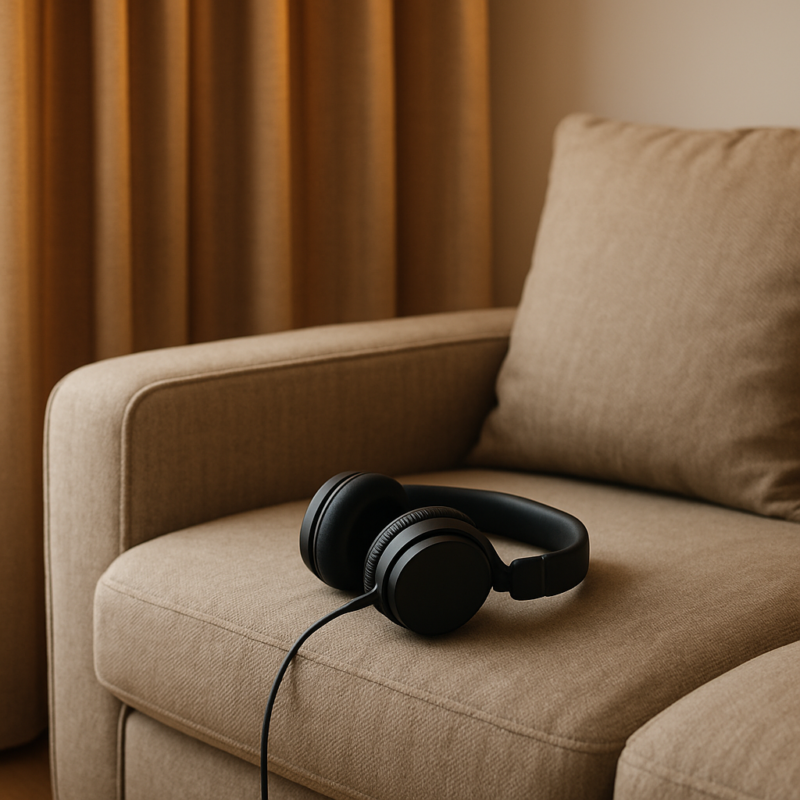
Sound quality isn’t determined by headphones or speakers alone—it’s strongly influenced by the room you’re in. The shape, size, and contents of your space play a vital role in what you hear, whether you’re immersed in music, settling in for a movie, or carefully mixing a track. Understanding how everyday changes in your environment affect sound is essential for anyone who cares about audio quality.
Let’s explore why room acoustics matter, how daily adjustments can alter your listening experience, and what you can do to create sound that’s as clear and enjoyable as possible.
The Basics of Room Acoustics
Every time you play music or record sound indoors, you’re dealing with the fundamental behaviors of sound waves: reflection, absorption, and diffusion. No matter how advanced your system is, or how high-end your monitors are—such as a pair of Focal Shape Twin—these principles shape what reaches your ears.
How Sound Interacts with Your Space
When sound leaves your speakers, it immediately encounters various surfaces—walls, ceilings, floors, and everything in between. Here’s how those interactions affect your listening environment:
- Reflection: Hard, flat surfaces like windows or painted drywall bounce sound around, creating echoes and sometimes muddling clarity if left unchecked.
- Absorption: Soft items, such as curtains, rugs, and upholstered furniture, soak up some of that energy, especially at higher frequencies. This can reduce harshness but, in excess, may make audio sound dull or lifeless.
- Diffusion: Rough or irregular surfaces—bookshelves, textured wall art, or certain wall panels—scatter sound in multiple directions. This breaks up echoes while preserving a sense of spaciousness.
Striking the right balance among these effects is key. Too much reflection can make audio shrill and indistinct, while excess absorption can rob it of energy and air. Good listening rooms tend to marry these elements for clarity and comfort.
Frequency Response and Room Modes
Not all sounds behave the same indoors. Low-frequency sounds, or bass, are particularly affected by your room’s size and shape. In certain spots, you’ll hear bass build up (peaks), while in others it almost disappears (nulls)—a phenomenon known as “room modes.” For example, even a compact monitor like the Neumann KH 80 will exhibit different bass behavior depending on its placement and the room’s dimensions.
Mids and treble frequencies interact differently. They’re more sensitive to the exact materials you have in the space, from window dressings to wall art. Even small changes, like swapping a thick rug for a bare floor, can noticeably shift the way vocals or instruments are heard.
If you want to learn more about the science behind how rooms influence sound, this technical overview of room acoustics explains concepts like sound behavior in enclosed spaces, natural modes, and the impact of room dimensions and materials on audio quality.
These fundamental acoustic behaviors set the stage for everything that follows. But how do everyday changes—often unavoidable—affect this delicate balance?
How Everyday Changes Impact Room Acoustics
Our living and working spaces are rarely static. Furniture gets rearranged, décor evolves, and the needs of a household shift with the seasons. Each change, even small ones, can influence the way sound travels and settles in your room. Let’s look at common environmental and lifestyle changes, and the acoustic effects they bring.
Furniture and Soft Furnishings
Large pieces like sofas, shelves, and cabinets absorb and scatter sound. Moving a sofa away from the wall or changing the layout of bookshelves can make a room sound subtly brighter, duller, or more open. Similarly, adding or removing soft furnishings such as cushions, throws, or thick rugs can transform both the volume and sharpness of your audio. Bare floors reflect sound, often making things sound livelier (or harsher), while carpeting and area rugs help control this effect.
Windows, Doors, and Wall Treatments
Surfaces like windows, doors, and walls aren’t just boundaries—they act as either reflectors or barriers, depending on how you treat them. Heavier curtains can absorb harsh high-frequency reflections, “softening” a room, while thin curtains or untreated glass will contribute to unwanted brightness. Wall hangings—textiles, acoustic panels, or even well-stocked bookshelves—also help break up reflections and contribute to better diffusion. Hard, flat decorations like large mirrors or framed posters, on the other hand, can add sharp echoes if overused.
Similarly, whether doors and windows are open or closed changes the room’s ability to contain or dissipate sound. Closed doors, especially heavy or exterior ones, keep sound energy inside (increasing bass buildup), while open doors or windows let some of that energy escape but may introduce new noise from outside.
Room Clutter and Surface Variety
A minimalist or sparsely furnished room tends to highlight echo and reverb, making audio sound less controlled. In contrast, rooms filled with books, décor, or irregular surfaces create “natural diffusion,” scattering sound and preventing harsh, direct reflections. Even the degree of clutter or storage in your space can be felt in your audio experience—sometimes for better, sometimes for worse.
Seasonal and Environmental Factors
Beyond furnishings and décor, environmental changes also play a role. Open windows modify how sound leaves the room and how reflections occur, while changes in temperature and humidity influence how efficiently sound travels—mainly at higher frequencies. Heating or cooling systems not only affect background noise levels but also subtly alter air density, which can shift perceived audio clarity.
These combined variables mean that your room’s sound is rarely the same from one day to the next unless you specifically control for these changes.
Practical Impact: Listening and Recording in Changing Spaces
So how do these everyday adjustments translate into your experiences with music, movies, or creative projects? The answer is often more noticeable than you might expect.
Whether you’re enjoying music through a hi-fi setup, immersing yourself in a home theater, or working on recordings, variations in room acoustics can alter bass response, imaging, clarity, and even your sense of space. For instance, moving a bookshelf or adding a plush rug might shift the tonal balance of your favorite album or the realism of a movie soundtrack. Some monitors are designed to adapt to some of these changes, but the influence of the environment remains significant.
For those mixing or recording sound, these changes are even more critical. What you hear as “true” one day may shift unpredictably with subtle changes in the room, making it harder to trust your judgments and leading to mixes that don’t translate well in other environments. Many seasoned engineers set up their control rooms once and avoid further changes, precisely to preserve that elusive consistency.
Staying Consistent: Managing Acoustic Shifts in Everyday Life
Recognizing how mutable your space can be, it’s worth developing habits that help you maintain—or quickly restore—your preferred sound quality.
First, avoid frequent major changes to your listening or recording setup. If your space does double duty (for example, a living room that switches from movie nights to music sessions), invest in versatile solutions like moveable acoustic panels, thick area rugs, or modular bookshelves. Elements that can be repositioned as needed offer the flexibility to adapt acoustics without lasting impact.
When changes are necessary—for instance, moving furniture, adjusting décor, or opening windows—listen closely to a few familiar tracks or test tones. Notice any shifts in echo, bass, or clarity. If you want to go further, a real-time analyzer can help you spot even subtle frequency changes. Over time, you’ll develop a sense of your room’s “baseline” and be better equipped to spot and control the effects of everyday changes.
Conclusion
Every room is an instrument in itself, shaping the way you hear sound—often in surprising ways. From rearranging a sofa to opening a window or swapping out a curtain, small daily decisions have real acoustic consequences. By understanding how these choices affect your listening environment, you gain the power to control and refine your space for true audio enjoyment. Whether you’re a passionate listener or just beginning to explore the world of sound, paying attention to your space brings you one step closer to hearing music, movies, and recordings just as they were meant to be heard.