Headphones are the hardest-working gear in a home studio. They’re on your head for the first scratch vocal and the last check of the finished mix, and on the nights when the monitors have to stay off, they’re all you’ve got to mix on.
So it’s worth choosing well, and that’s where it gets confusing: every pair on the shelf claims to be accurate, and the price tags run from pocket change to more than your interface and mic put together. This guide works up through the prices instead. At each step from under $100 to under $1,000, you get the best studio headphones we’d buy for that money, the best pair of the other kind (closed or open) where one earns its price, and an honest word on what each one can’t do.
What more money buys
Studio headphones run from about $50 to well past $1,000, and it’s tempting to think the sound gets steadily better all the way up. It doesn’t, not in a straight line. Some of the pairs you’ll find in professional studios cost around $100, and $100 pairs turn up on the lists of the best-measuring studio headphones too.
So what does the extra money buy? Mostly three things.
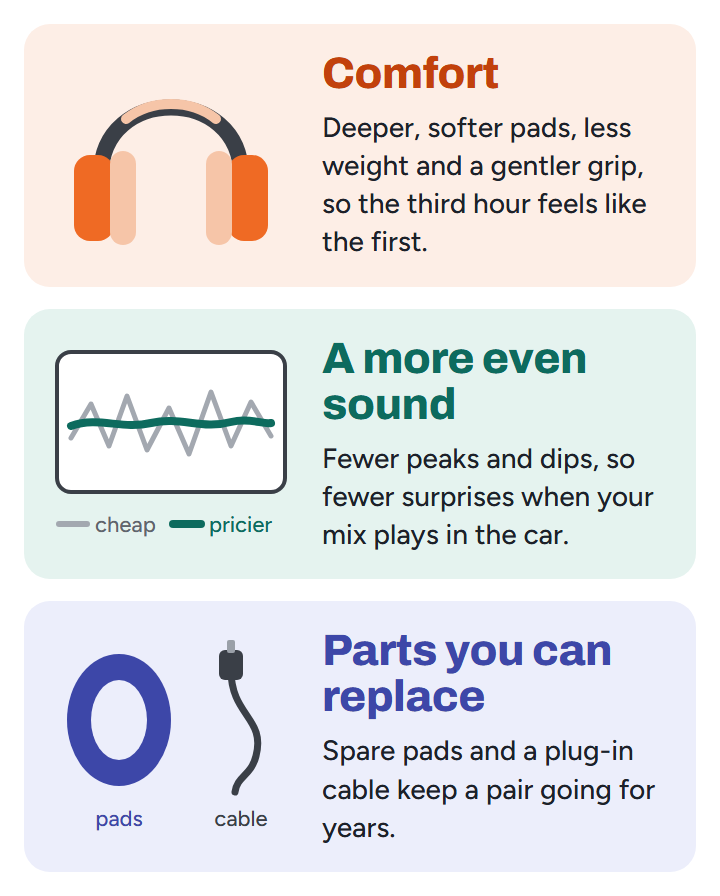
Comfort over a long session. A cheap pair can feel fine for one song and pinch by the third hour. Lighter headphones with deeper, softer pads and a gentler grip are where a lot of the money goes, and for mixing that matters more than it sounds: you can’t judge a mix in headphones you can’t wait to take off.
A more even sound. Up the price steps, the treble tends to get smoother and the bass more even, so there are fewer surprises when your mix leaves the headphones and plays in a car. That’s the part measurements show best, so it’s the part we lean on most.
Parts you can replace. Pads wear flat and cables break where they meet the plug. Pairs you can fix with spare pads and a new cable last for years instead of ending up in a drawer.
What money doesn’t buy is the right type. A $500 open-back pair is still the wrong pick if your mic is in the same room, and a closed pair at $100 can be exactly right. That’s why every price step below says which closed pair and which open pair to buy, even when the answer is a pair from another step, and why Open-Back or Closed-Back Headphones is worth five minutes first. And the last step, under $1,000, is for anyone who’ll do most of their mixing on headphones: past $500, each extra dollar buys less, so it’s a want, not a need.
The picks at a glance
| Budget | Our pick | Price | Type | The catch |
|---|---|---|---|---|
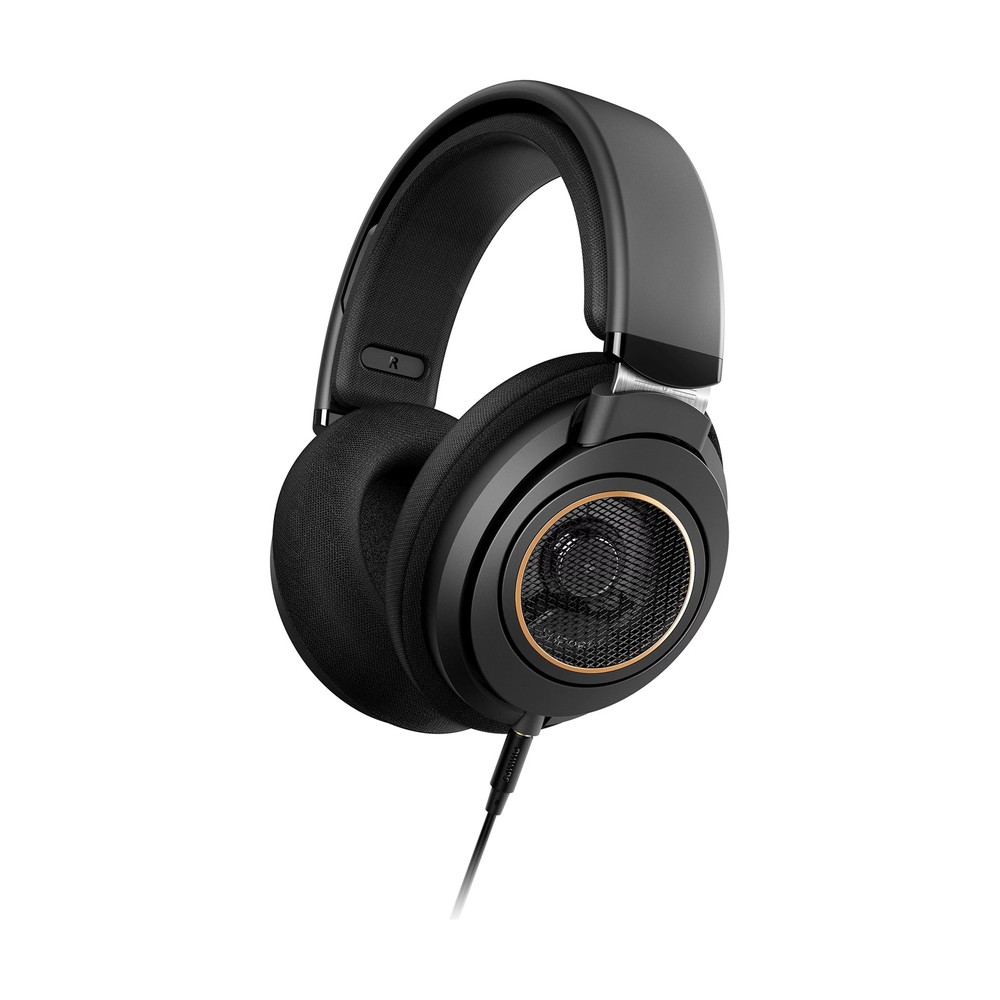
| Under $100 | Philips SHP9600 | $79.99 | Open | Leaks into a nearby mic |
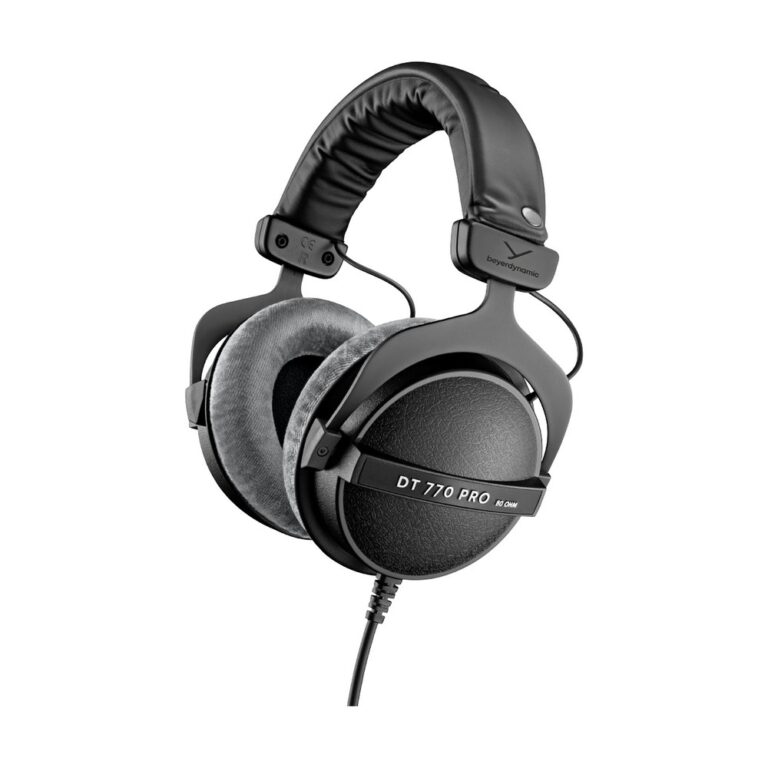
| Under $200 | Beyerdynamic DT 770 Pro (80 ohm) | $159.99 | Closed | A sharp peak in the treble |
| Under $300 | Sennheiser HD 560S | $279.95 | Open | Polite deep bass |
| Under $500 | Sennheiser HD 480 PRO | $399 | Closed | The bass depends on a good seal |
| Under $1,000 | Beyerdynamic DT 1990 PRO MKII | $699.99 | Open | Doesn’t sound better than the HD 490 PRO |
Best Studio Headphones Under $100: Philips SHP9600
Check the price on Amazon $79.99 when we checked
Under $100, the best-sounding pair isn’t sold as a studio headphone at all. The SHP9600 is a hi-fi pair, but RTINGS rates its accuracy very good: the sound is balanced and smooth, kick drums still have punch, and voices come across natural. The pads are soft and roomy, roomy enough to make it our budget pick for headphones for big ears.
The catch is that it’s open-back. Sound leaks out, so a mic in the same room will pick up whatever you’re playing: it’s for mixing and listening, not for recording vocals. RTINGS also found the upper mids a little held back, which takes some presence off voices. And Philips has stopped making it. When we checked, Amazon was shipping it for an outside seller, so buy it while it’s around.
If you mix in a quiet room, nothing under $100 measures better. If there’s a mic in the room, get the closed pair below.
Also good, closed-back: Audio-Technica ATH-M20x
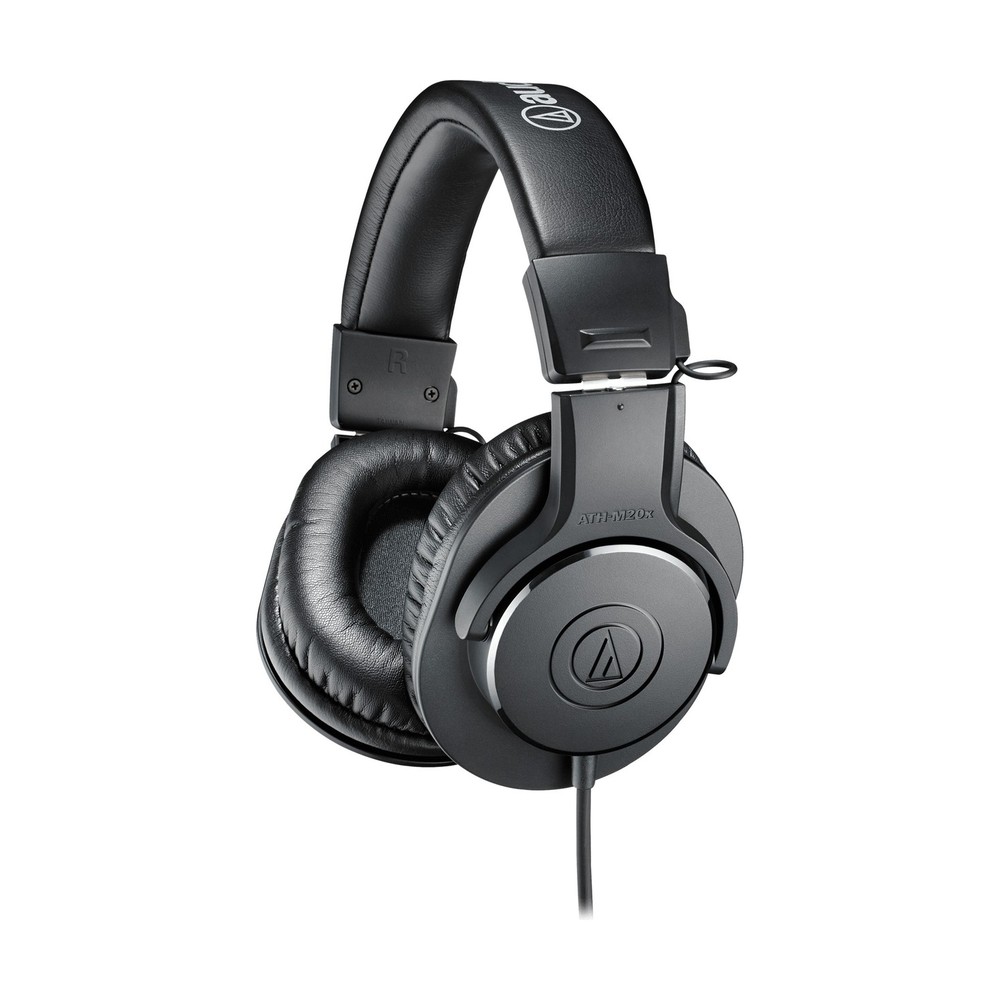
Check the price on Amazon $59 when we checked
For recording on a tight budget, this is the closed-back to get, and it’s RTINGS’s budget pick too. The sound is balanced and a little warm, with a clear midrange, and it sounds the same each time you put it on. Being closed, it leaks much less than an open pair, so your backing track stays out of the mic. The catches: the treble is dull, so cymbals lose their sparkle, the build is plasticky, the cable can’t be replaced, and it doesn’t block much noise from the room. The Sony MDR-7506 you’ll see recommended everywhere was $113 when we checked, which puts it in the next step.
Best Studio Headphones Under $200: Beyerdynamic DT 770 Pro (80 ohm)
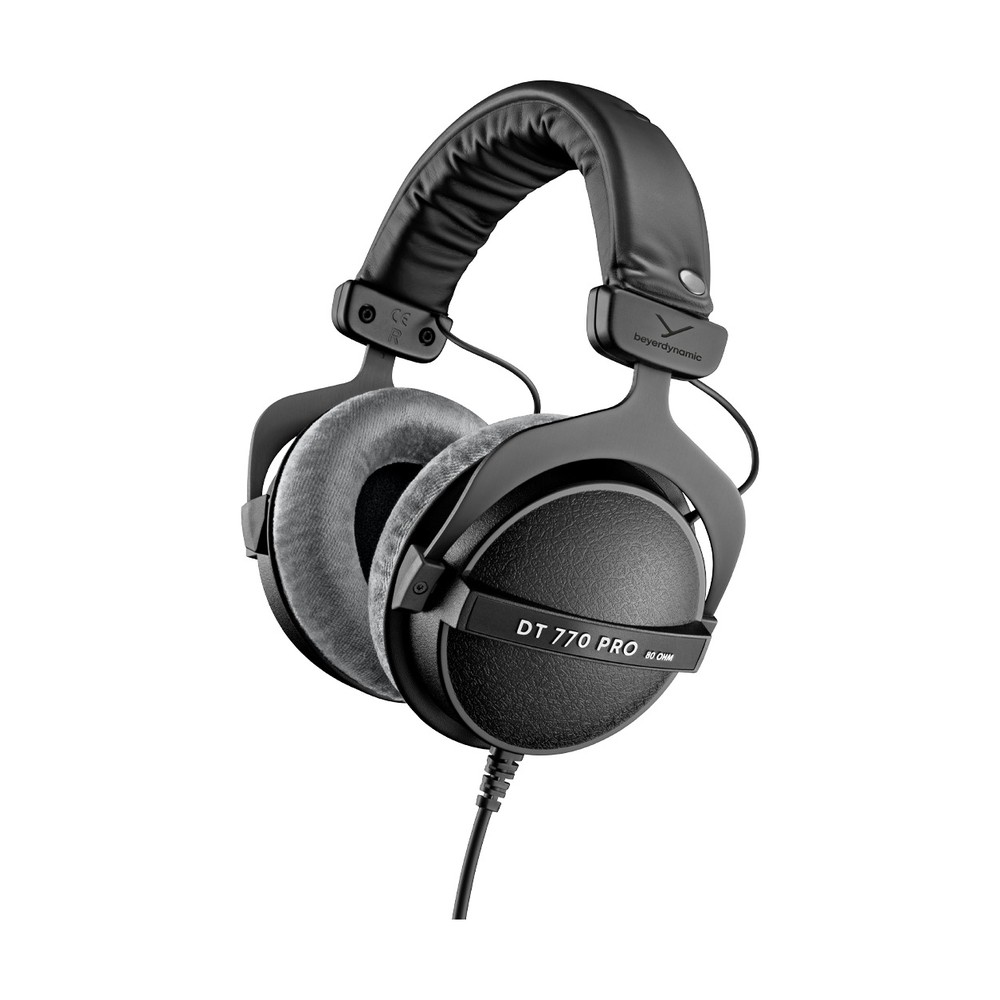
Check the price on Amazon $159.99 when we checked
This is the closed-back we’d tell most people to buy first. Over the M20x, the extra money goes exactly where it should: comfort and build. The padded headband and soft velour pads keep it comfortable through long sessions, and RTINGS calls it “highly durable”, an industry standard in studios worldwide. RTINGS rates its accuracy very good too, with distortion you won’t hear even when it’s loud. Get the 80-ohm version: it runs happily from any audio interface.
The catch is a sharp peak in the treble. RTINGS found it can be tiring over long sessions, and the bass is a little lighter than on some newer rivals. The cable is fixed, so if it fails, it’s a repair rather than a swap.
Still, for tracking and long sessions, it’s the safest $160 in studio headphones. If the treble bothers you, the AKG K371 ($149) sits closer to RTINGS’s target and folds up with three detachable cables, but its plastic build won’t take the knocks the Beyerdynamic will. The Sony MDR-7506 ($113), a studio staple for more than 30 years, costs less, but it’s brighter still and its cups are small.
Open-back at this budget: the Philips, or a sale
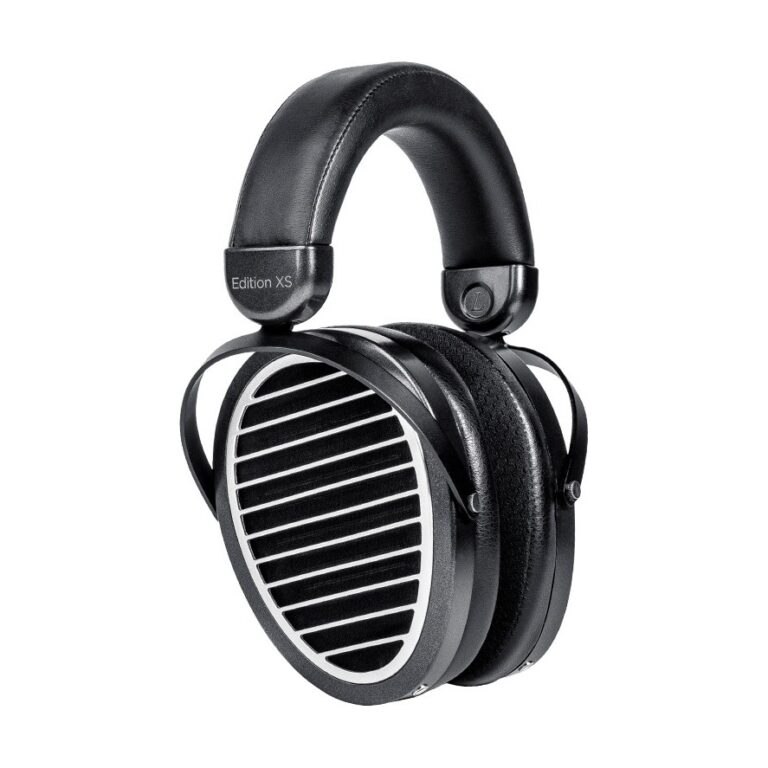
We didn’t find an open pair between $100 and $200 worth the extra over the Philips above right now. The HiFiMAN Edition XS, the roomiest pair in our big-ears guide, usually sits just over $200, and the HD 560S, our usual open-back pick, was at its full $279.95 when we checked, which puts it in the next step. Watch for it on sale: below $200, it’s the open pair to buy here.
Best Studio Headphones Under $300: Sennheiser HD 560S
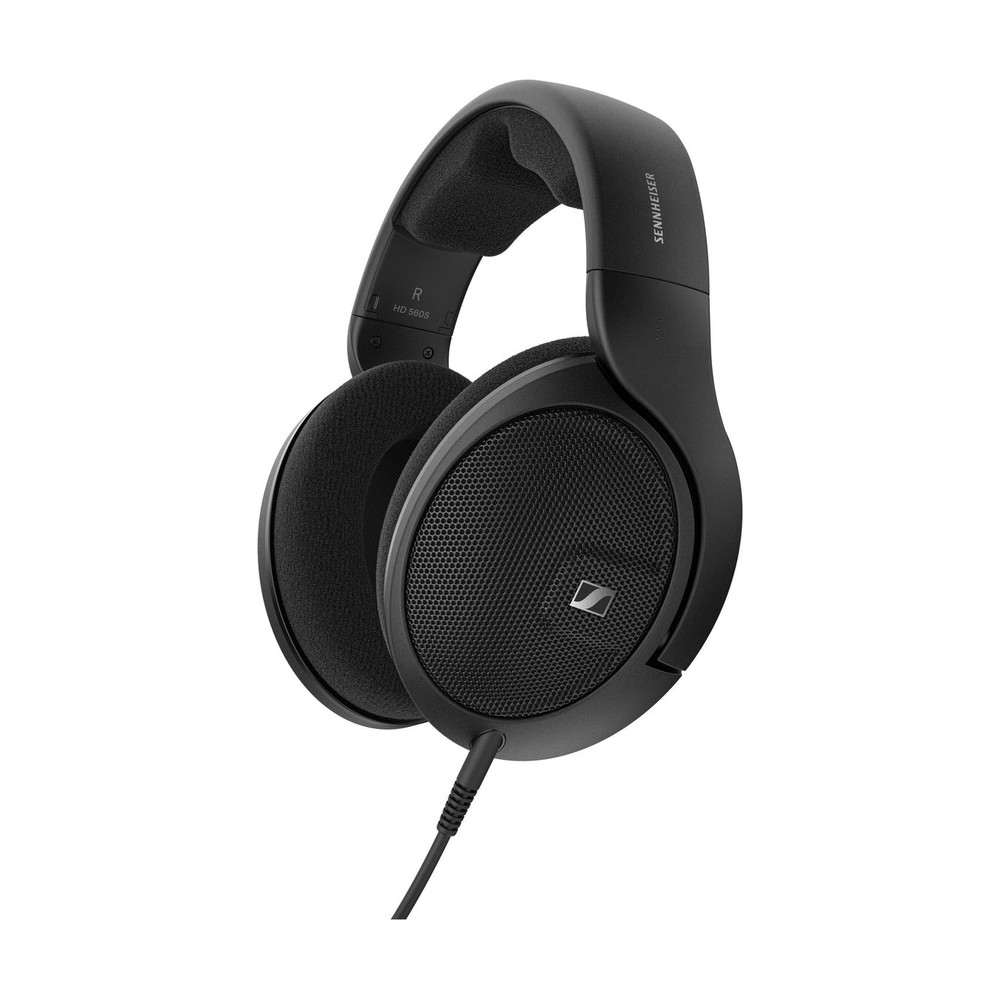
Check the price on Amazon $279.95 when we checked
This is the open-back we recommend in our guide to open-back and closed-back headphones, and the measurements back it up. RTINGS calls the HD 560S some of the best value headphones on the market: its sound is flat, the midrange keeps instruments true to life, and it has few of the peaks and dips that make a mix sound different somewhere else. It’s light, with a gentle grip, so it stays comfortable through a whole evening of mixing, and it’s easy to drive from any interface.
The catches: deep bass is polite, as on most open-backs, so check your kick and bass on speakers before you call a mix done. The build is plastic, even more so than Sennheiser’s pricier pairs. And $279.95 is its full list price. It has sold for well under $200 this year, so if you can wait for a sale, do.
Even at full price, though, RTINGS finds it very hard to beat. You’ll also see the classic HD 600 at this level, but it was $301.95 when we checked, just over this step (more on it below).
Closed-back at this budget: stay with the DT 770 Pro
Need to record at this budget? We didn’t find a closed pair between $200 and $300 worth the extra over the DT 770 Pro above. Sennheiser’s HD 620S, roomy enough to be our closed-back pick for big ears, was $399.95 when we checked, which puts it up against the HD 480 PRO in the next step, and the HD 480 PRO is the better buy for the same money. Sony’s MDR-M1 ($268) is the other closed pair you’ll see recommended at this price, but SoundGuys found its response quite far from their target. So for recording, buy the DT 770 Pro and keep the difference, or save up for the HD 480 PRO.
Best Studio Headphones Under $500: Sennheiser HD 480 PRO
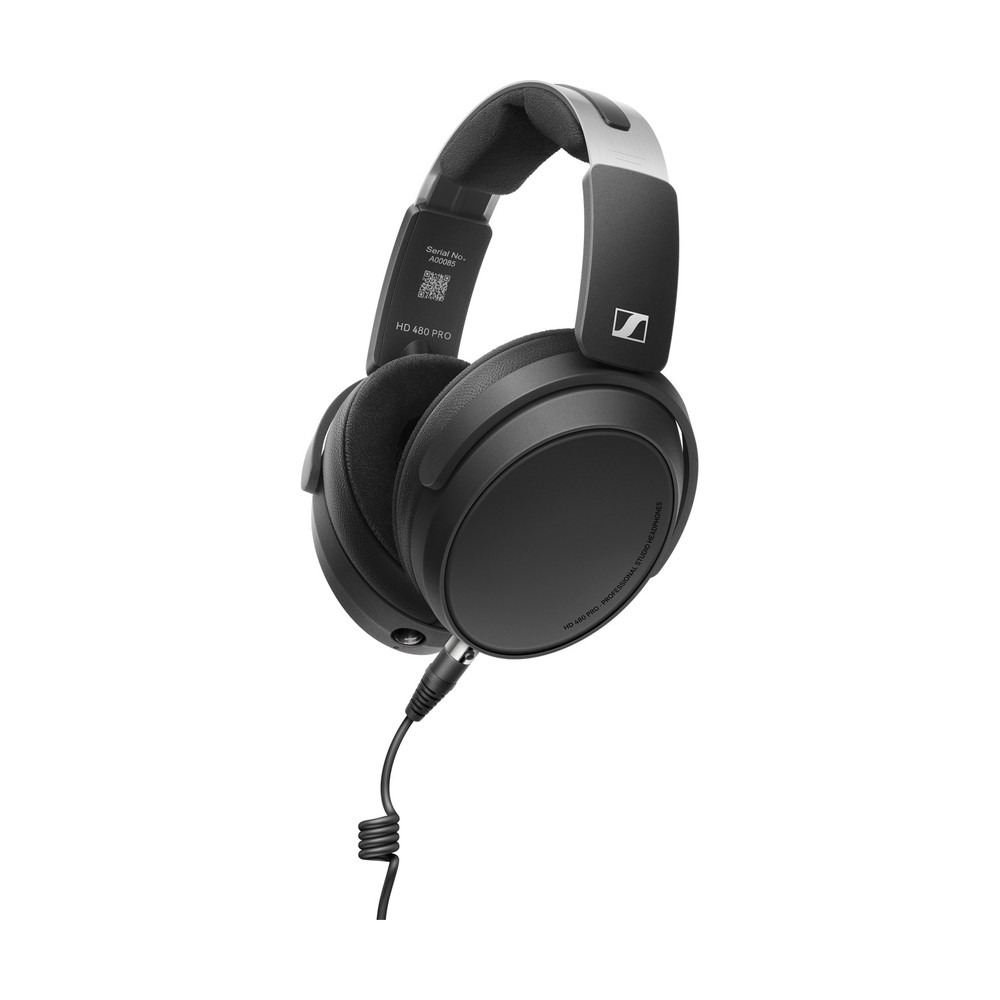
Check the price on Amazon $399 when we checked
Remember how the right type matters more than the price? At this step, you almost get out of choosing. The HD 480 PRO is a closed-back balanced enough to mix on: RTINGS rates it the best closed-back studio headphones it has tested, with a touch of extra bass and a softened top end that’s easy on the ears over a long session. Sound On Sound called it an “excellent all-rounder” and reckons one pair could do the work of two in a private studio. It’s comfortable, even over glasses, it leaks very little, and its coiled cable plugs into either cup, so you can route it away from your guitar.
The catch is the seal. RTINGS found the bass changes if your glasses or hair break the seal around your ears, so take a moment to get the fit right. SoundGuys found it warm in a hot room, there’s only one set of pads in the box, and $400 is a lot more than a DT 770 Pro.
But if you record and mix in the same room, and most of us do, nothing under $500 does both jobs this well.
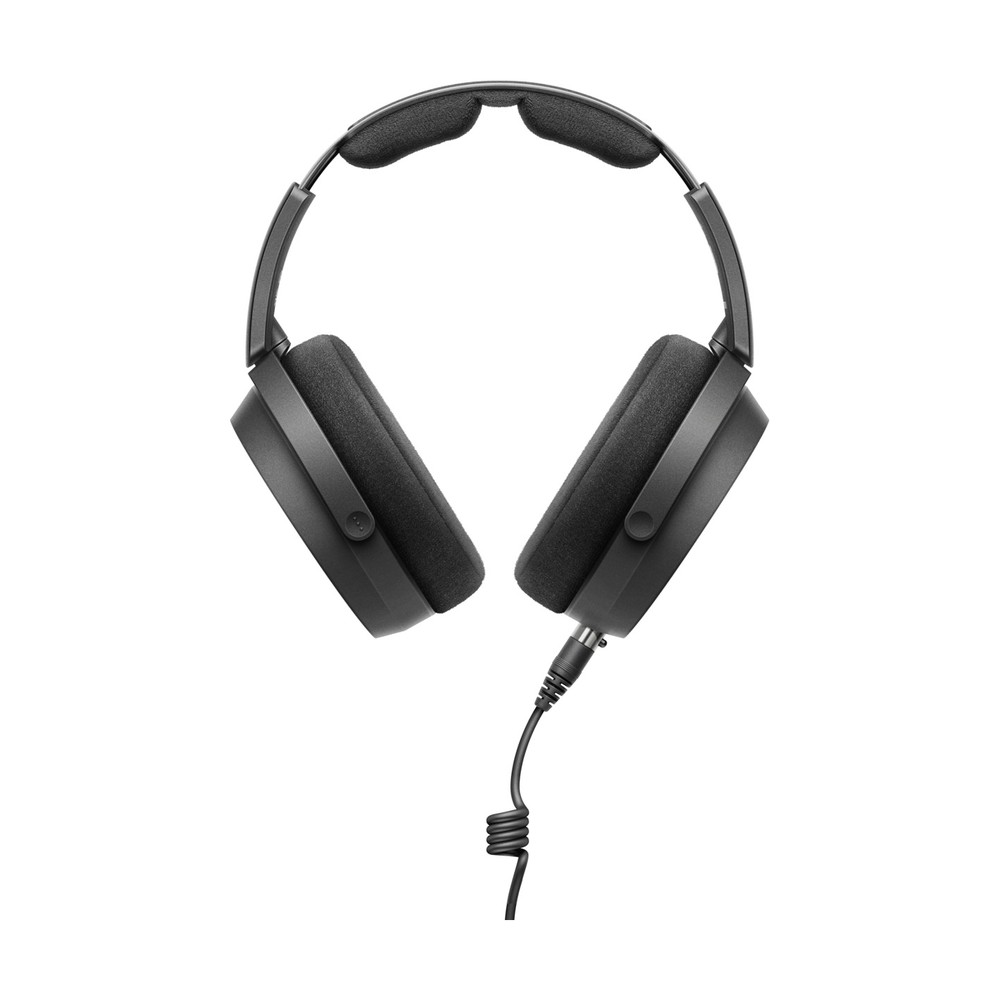
Also good, open-back: Sennheiser HD 490 PRO
Check the price on Amazon $415.10 when we checked
If your mixing room is quiet and you already own closed-backs, this is the open-back to buy. SoundGuys ranks it the best studio headphones overall, RTINGS rates its accuracy great, with more bass than most open-backs manage, and Sound On Sound found it “supremely comfortable”. It comes with two sets of pads, one for producing and one for mixing. The catches: the build is mostly plastic, with yokes RTINGS calls flimsy, and Audio Science Review would only recommend it with a little EQ.
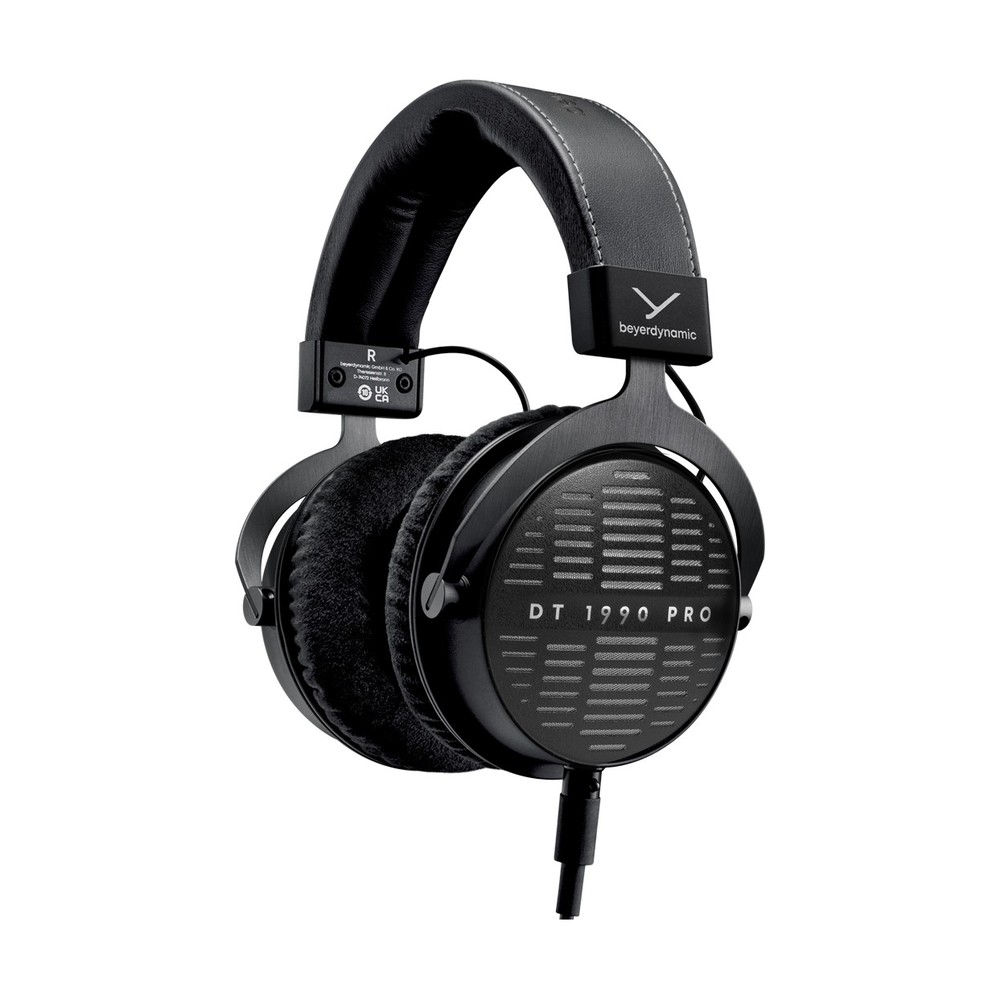
Best Studio Headphones Under $1,000: Beyerdynamic DT 1990 PRO MKII
Check the price on Amazon $699.99 when we checked
Here’s the honest part: past $500, you pay for things you’ll feel in your hands more than hear. The DT 1990 PRO MKII is the best example. It’s built in Germany like a piece of studio furniture, with a steel frame, parts you can replace yourself, two sets of pads, a straight cable and a coiled one, and a case. RTINGS rates its accuracy great, with a midrange that follows its target closely, and Sound On Sound found it a useful tool for mixing and editing, comfortable for hours. At 30 ohms, it runs easily from any interface.
The catch is the treble. RTINGS found it brighter than the HD 490 PRO’s and less smooth, and SoundGuys called it very prominent; the mixing pads that come with it calm it down. It’s heavy, at 376 grams, and Sound On Sound’s reviewer took nearly an hour to fit a single ear pad. And the big one: on the measurements, it doesn’t sound better than the HD 490 PRO, which costs about $285 less.
So buy it if you’ll mix on headphones most days, for years, and want a pair that will outlast the rest of your studio (and read mixing with headphones vs speakers first). If you want the best sound for the money, the HD 490 PRO is it. Neumann’s NDH 30 ($698.71), tuned to sound like Neumann’s studio monitors, is the other one worth a look, though SoundGuys found its treble rolls off early and its comfort only fair.
Closed-back at this budget: stay with the HD 480 PRO
We looked for a closed pair between $500 and $1,000 that earns its price, and didn’t find one. RTINGS dropped the Focal Azurys (about $600) as its top closed-back in favor of the HD 480 PRO, which sounds closer to its target for less, and Beyerdynamic’s DT 1770 PRO MKII, which Sound On Sound heard with boosted lows and highs, now sells for under $500 anyway. So even with $1,000 to spend, the HD 480 PRO above is the closed pair to buy. Put the rest toward acoustic panels or a pair of studio monitors to check your mixes on.
The headphones we’ve reviewed
We’ve reviewed six studio headphones over the years. Here’s where each would sit today.
Sennheiser HD 280 Pro (about $90). Our 2018 review gave it a strong recommendation, and RTINGS found it blocks more outside noise than the Sony MDR-7506, with parts you can swap when they wear out. But its sound changes more from one wearer to the next, and Sennheiser itself warns its grip can tire you over very long sessions, so it sits just behind the M20x.
Audio-Technica ATH-M50x (about $170). Still a good closed-back, with bass that tracks RTINGS’s target and a cable you can unplug. But RTINGS found its left and right sides poorly matched, so voices can sit a little off center, and it’s small inside. The DT 770 Pro is the better buy.
Sennheiser HD 600 (about $300). Our 2020 review called it the best headphones for mixing anywhere near its price, and RTINGS still rates it very good. But it was a hair over $300 when we checked, it’s a little tight on bigger heads, and it needs more power than the HD 560S. Find it at $300 or under and it’s just as safe a choice.
AKG K712 PRO (about $390). Comfortable, spacious and accurate, as our review found and RTINGS agrees. At its price, though, the HD 490 PRO has more bass and a second set of pads.
Shure SRH1540 (about $500). A comfortable, well-built closed-back that our review found easy to recommend, but it now costs about $100 more than the HD 480 PRO.
Audeze LCD-X (about $1,200). RTINGS rates it great, with a warm, smooth sound, and our review called it a reference-grade tool. It’s heavy, though, and past the top of this guide.
Do you need a headphone amp?
For every pair in this guide, no. The headphone output on almost any audio interface drives them all to plenty of volume, from the Philips up to the DT 1990 PRO MKII. The ones to watch are high-impedance pairs like the HD 600 from our reviews. At 300 ohms it still works from most interfaces, but you’ll turn the knob a long way, and if it’s all the way up and still too quiet, that’s when a separate headphone amp earns its place. Not sure you need an interface at all? Start with do you need an audio interface.
How we picked
Headphones are measured more than any other studio gear, so we started with the measurements: how closely each pair follows a target sound, from RTINGS, SoundGuys and Audio Science Review. Then comfort, build, isolation and leakage, mostly from RTINGS, then professional reviews from Sound On Sound, then our own reviews. Every pick was in stock on Amazon at a price inside its step when we checked in November 2026, and we redo this ranking every year.
Happy producing.