You nail the take. The vocal is the best you’ve sung all week. Then you solo it, and underneath your voice, faint but unmistakable, is the backing track you were singing along to, leaking out of your headphones and straight into the mic.
That one moment explains most of the open-back vs closed-back question. The two kinds of headphones aren’t better or worse than each other. They’re built for different jobs, and once you know which job you’re doing most, the choice makes itself.
What open and closed actually mean
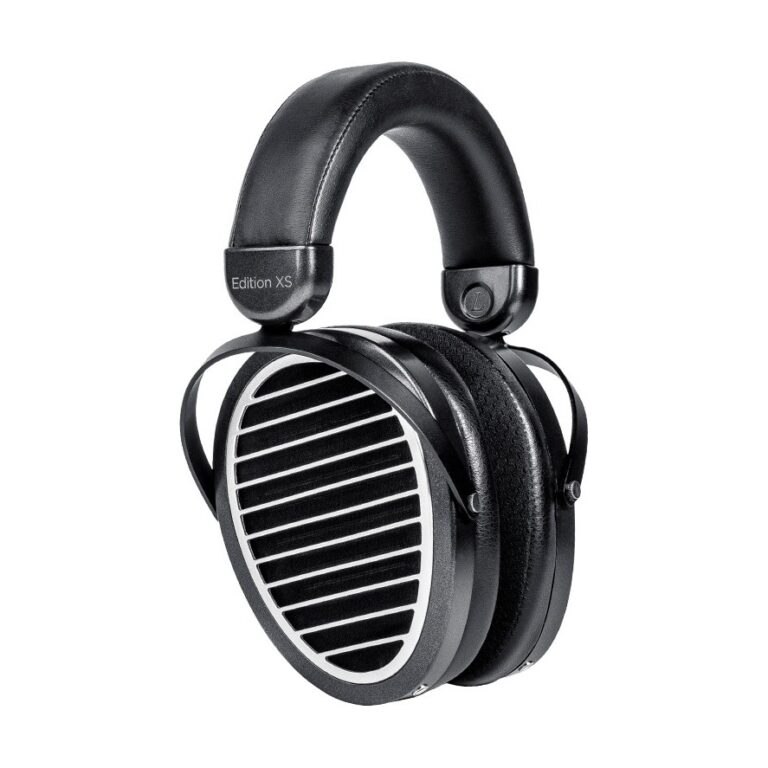
It’s about the back of the ear cups. A closed-back pair has solid, sealed cups: sound stays inside with your ears, and the room’s sound stays outside. An open-back pair has a grille on the back of each cup, so sound moves freely in both directions. You hear the room a little, and the room hears your music a lot.
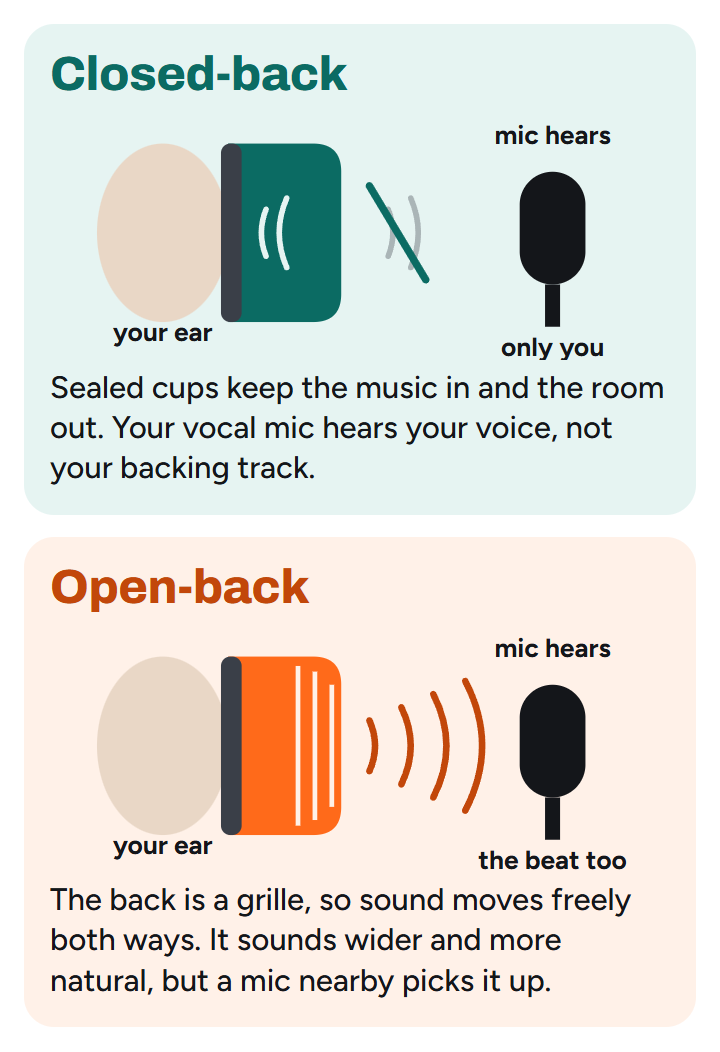
That one difference changes how they sound, too. With nothing sealed in, open-backs don’t build up the slightly boxy, closed-in sound that sealed cups can have. Music feels wider, more like it’s around you than inside your head, and that matters when you’re deciding where things sit in a mix.
Why closed-backs win for recording
When a microphone is in the same room as your headphones, you want nothing escaping from them. A sensitive condenser mic will happily record the click, the beat and every harmony you’re singing over, and once it’s in the vocal track you can’t get it out again. Closed-backs keep it in.
They also keep the room out. Recording a guitar next to a noisy computer, or tracking while someone watches TV next door, is much easier when you can’t hear any of it. And in a shared flat, closed-backs are the polite choice: whoever is in the next room doesn’t have to hear your snare at two in the morning.
The catch: sealed cups can make the sound a little closed-in and bass-heavy, and they get warm on long sessions. That’s the price of isolation.
Why open-backs win for mixing
Mixing is about judging balance, space and stereo width, and open-backs make that easier. They sound more natural and more like speakers in a room, so a mix you make on them tends to travel better to other systems. They’re also more comfortable for hours at a time, because there’s no pressure building up in a sealed cup.
The catch is everything you just read about recording, in reverse. They leak sound into the room, they let the room’s sound in, and they’re no use with a live mic nearby. Open-backs are for quiet rooms and the mixing stage. If you’re curious how they compare with studio monitors for that job, see mixing with headphones vs speakers.
If you can only buy one pair
Most people starting out can only buy one pair, and they record and mix in the same room. If that’s you, buy closed-back.
Here’s why. A closed-back pair can do both jobs: it keeps your backing track out of the vocal mic, and it’s perfectly usable for mixing once you know how it sounds. An open-back pair can only do one of them well. Put a live mic next to open-backs and it will hear the click, the beat and every chorus you’re singing over.
The day you can afford a second pair, make it open-back and save it for mixing. Your ears will thank you after a long session, and your mixes will travel better to other speakers.
Our closed-back pick: Beyerdynamic DT 770 Pro (80 ohm)
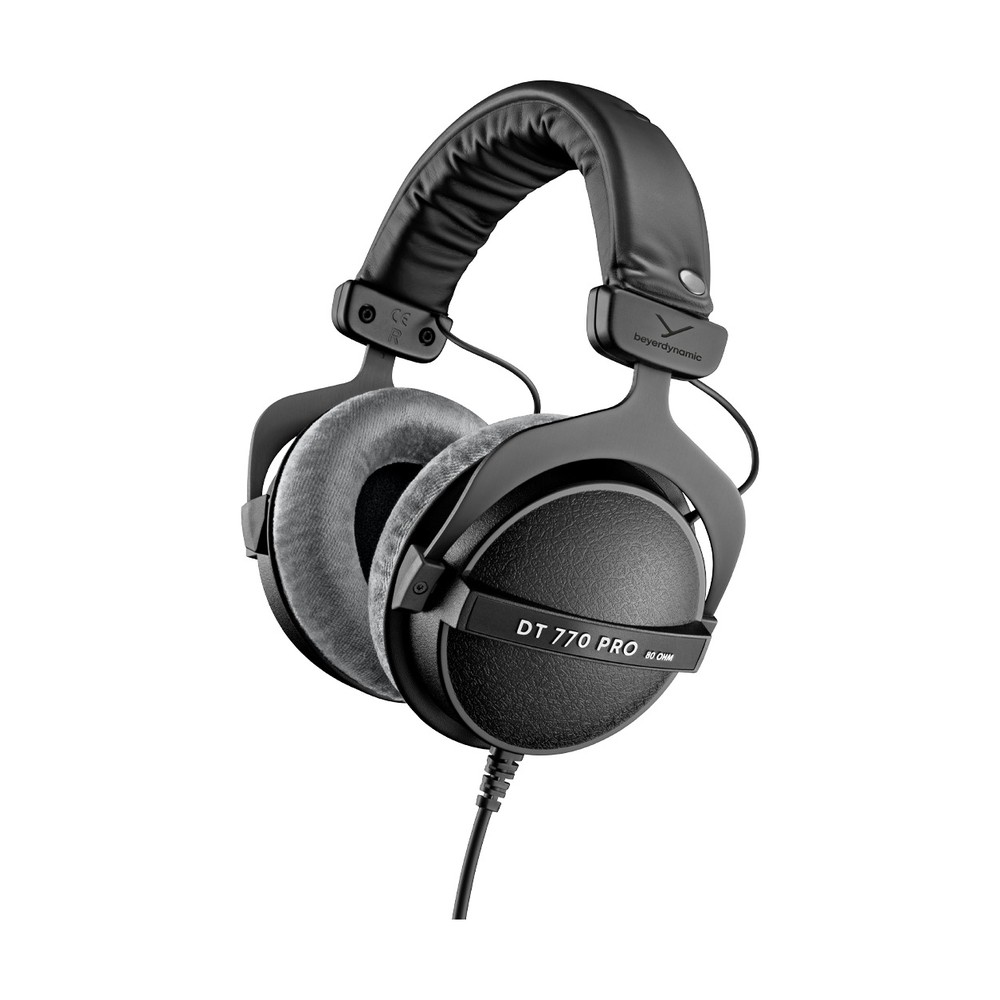
The DT 770 Pro has been a studio standard for decades, and it’s still the closed-back we’d buy first. The velour pads are some of the most comfortable you’ll find at any price, the isolation is excellent, and it’s built to survive years of being yanked off a hook.
It comes in three versions. Get the 80-ohm one: it runs happily from any audio interface. The 32-ohm version is for phones and laptops, and the 250-ohm one wants more power than most beginners’ gear gives.
The catch: the treble is bright, and sharp “s” sounds can feel a little harsh until you’re used to it. The cable is attached, so if it fails, it’s a repair rather than a swap. And if your ears are big, the round opening may be too small: our guide to headphones for big ears has roomier closed-backs.
Still, for tracking vocals and instruments without bleed, nothing at this price beats it. On a tighter budget, the Sony MDR-7506 does the same job for less, with smaller cups and pads that wear out sooner.
Our open-back pick: Sennheiser HD 560S
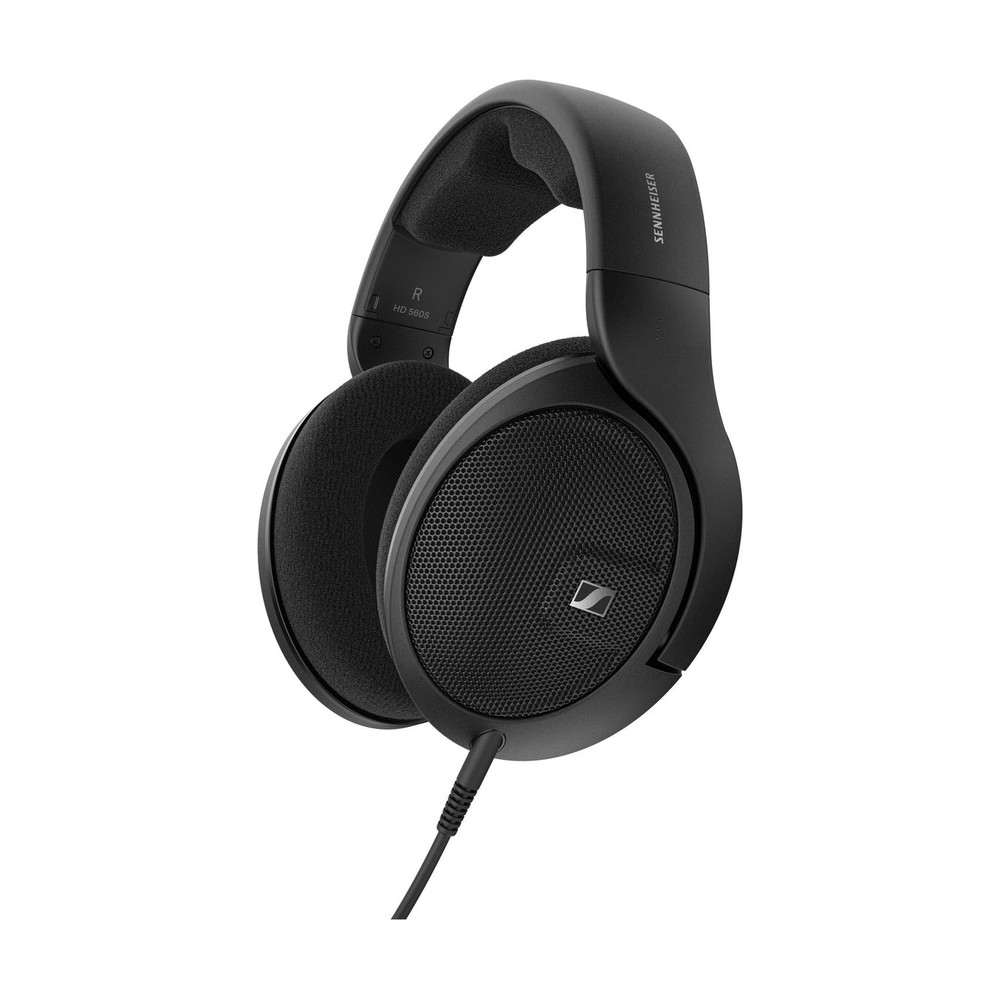
For mixing on a budget, the HD 560S is the open-back we’d pick. It’s balanced and clear, it doesn’t pump up the bass to impress you, and the wide, open sound makes it easy to hear where everything sits. It’s light, and comfortable enough for a whole evening of mixing.
The catch: deep bass is a little polite, so check your low end on speakers or another pair before you call a mix finished. And like any open-back, it leaks: keep it away from live mics and sleeping roommates.
If you can stretch further, our Sennheiser HD 600 review covers the classic step up, still one of the most trusted mixing headphones ever made.
Keeping bleed out, whichever pair you own
Even closed-backs leak a little when they’re loud, and a sensitive condenser mic will find it. A few habits keep your takes clean.
Turn the headphones down to the lowest level you can still sing in tune to. Most bleed comes from monitoring louder than you need. Turn the click down too, or swap it for a softer sound: a sharp click is the first thing a mic picks up. Between takes, take the headphones off or turn them down rather than letting them blast at the mic. And if you only own open-backs, record with a dynamic mic, which hears far less of what’s going on around it (our dynamic vs condenser guide explains why).
If the bleed is quiet enough that you only hear it with the vocal soloed, it will usually disappear in the mix. Loud enough to hear with the music playing? Fix it before the next take, not after.
A word on ohms
You’ll see a number in ohms on every pair of studio headphones. It tells you how much power they need. Up to about 80 ohms, the headphone output on any audio interface is plenty. Pairs of 250 or 300 ohms, like the HD 600, still work from most interfaces, but you’ll turn the knob a lot further. If it’s turned all the way up and still too quiet, that’s when a separate headphone amp earns its place. Not sure you need an interface at all? Start with do you need an audio interface.
Happy producing.