Audio Answers:
What Does a Shock Mount Do for My Microphone?
Question: “I’ve heard people say I should use a shock mount when recording with my microphone. What is a shock mount, and does it really make a difference?”

Why a Shock Mount is Essential for Clean Audio
No matter where you record—at home, in a studio, or out in the field—capturing clear, professional sound is every audio lover’s goal. Yet, no matter how careful you are, everyday life sneaks into your recordings: footsteps, pets, a passing truck, or the dreaded desk tap. This is where a shock mount becomes one of the simplest, most effective tools for protecting your audio from these unwanted intrusions.
Let’s dive into what shock mounts are, why they matter, and how to choose—and use—one to dramatically improve your sound.
Understanding Shock Mounts: What They Are and Why They Matter
A shock mount is a device designed to keep your microphone isolated from the physical vibrations that can compromise your recordings. By suspending your mic in a cradle made of elastic, rubber, or silicone, a shock mount absorbs bumps and knocks—like an accidental desk hit, a neighbor slamming a door, or your cat pouncing onto your workspace. Without a shock mount, these vibrations transfer straight to the microphone, becoming distracting rumbles and thuds in your audio.
If you’re interested in a deeper dive into the engineering and broad applications of shock mounts across various fields, check out this comprehensive overview of shock mounts on Wikipedia.
Microphones are sensitive, often picking up much more than you intend. Early recording engineers realized that even subtle movements—a pen tap, a shifting chair, or setting down a coffee mug—were enough to ruin a take. Shock mounts evolved from DIY setups into precision-engineered, reliable accessories found in every professional studio, especially when working with delicate microphones such as the Neumann TLM 103 that are highly susceptible to vibration.
How Vibrations Interfere with Your Sound
Vibrations in your recording environment come from countless sources. Sometimes, the cause is obvious: your chair rolling across the floor or a friend knocking on your door during a podcast. But smaller, routine motions—like typing, adjusting a mic stand, or even enthusiastic hand gestures—send shockwaves through your desk or floor that microphones can unexpectedly amplify.
These disturbances become unwanted noises—rumbles, knocks, or low-frequency interference—that blur your main audio, making vocals or instruments sound muffled or unclear. There’s nothing more frustrating than nailing a perfect take, then discovering a mysterious thud on playback. That thud? Your foot bumping the desk. Shock mounts are your frontline defense against exactly these scenarios.
How Shock Mounts Work: The Science of Mechanical Isolation
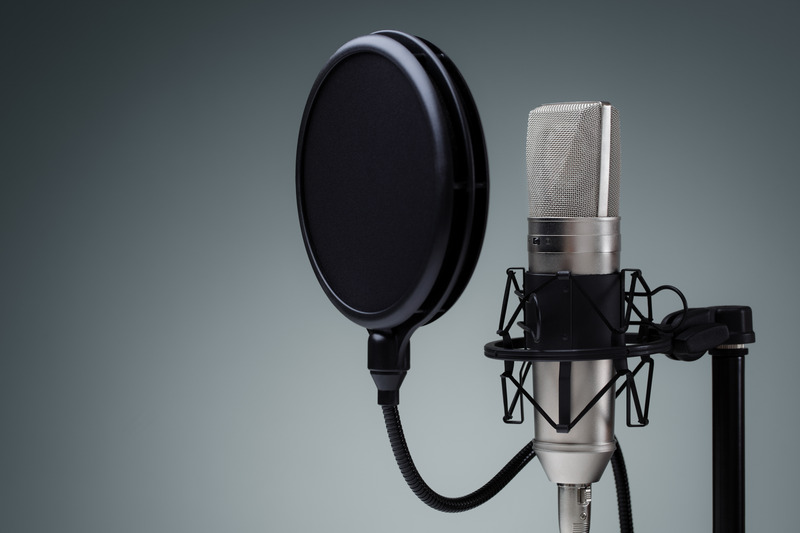
Shock mounts solve vibration problems through a simple but effective principle: mechanical isolation. By “decoupling” the microphone from its stand, the mount acts like the suspension in your car—absorbing bumps before they reach the main chassis (in this case, your mic). The microphone is held in a central cradle or ring, cushioned by elastic or flexible material that absorbs and disperses motion.
The best shock mounts securely position the microphone while providing flexibility: some models even allow angle adjustments or fit a range of mic shapes and sizes. The right design ensures that subtle vibrations never reach your mic, preserving pure, focused audio.
Common Shock Mount Designs
- Universal Mounts: Adjustable to fit various mics, these are great for most home studios.
- Custom Mounts: Precision-engineered for specific microphones, offering maximum protection and a perfect fit.
- Integrated or Clip-on Mounts: Built into some lavalier or shotgun mics, popular for portable setups and location recording.
The Real-World Benefits of Using a Shock Mount
Understanding theory is one thing, but what does a shock mount actually do for your audio in everyday use?
- Reduces Unwanted Noise: Eliminates low-frequency rumbles and mechanical thumps, ensuring that bumps, kicks, and coffee mug nudges don’t end up in your recordings.
- Preserves Audio Quality: Your microphone will pick up the detail and character of your performance—not background distractions. Listeners focus on your sound, not your environment.
- Protects Your Microphone: Consistent vibration can wear down sensitive components over time. A shock mount helps extend your microphone’s lifespan.
- Sets a Professional Standard: Shock mounts aren’t just for large studios—they’re trusted anywhere reliable, high-quality recording is needed.
Everyday Recording Scenarios
- Your dog bursts into your studio mid-take: a shock mount keeps the rumble off your track.
- You shift on your chair during a podcast: your voice stays clear, free of accidental bumps.
- Capturing live audio at an outdoor event and someone jostles your boom pole: the recording stays usable.
Where and When to Use a Shock Mount
If you’re using a condenser microphone for spoken word, vocals, or detailed instrument recording, a shock mount is highly recommended. In fact, outside of specialized cases—like a rugged dynamic microphone on stage or recording loud guitar amps—shock mounts offer noticeable benefits almost everywhere:
- Home Studios: Where unpredictable noises from pets, children, or everyday life often crop up.
- Professional Studios: For pristine vocal, podcast, and music tracks immune to the subtle chaos of a busy day.
- Field and Mobile Recording: Wherever you can’t control your environment; a shock mount keeps incidental jolts and shakes at bay.
Imagine recording your next track without fear that a passing delivery truck or excited pet will ruin your best take.
Choosing the Right Shock Mount: Practical Considerations
Picking a shock mount isn’t a one-size-fits-all process. Here’s what to look for:
- Match Your Microphone: Confirm the mount is compatible with your mic’s size, shape, and weight. A poorly fitted shock mount won’t protect your audio.
- Effective Isolation: Choose a mount built with quality elastic or rubber for the best absorption; avoid hard plastics that transfer vibration.
- Reliable Build Quality: Look for durable materials that won’t sag, crack, or lose their tension over time.
- User-Friendly Design: Installation should be quick and tool-free, with simple ways to adjust position or angle.
- Value for Budget: Universal mounts work for many setups but heavier or specialty microphones may need a custom shock mount. Aim for sturdy, well-reviewed designs within your price range.
Setting Up and Using Your Shock Mount: Best Practices
A shock mount only works its magic if it’s correctly installed and cared for. Follow these steps for trouble-free use:
- Attachment: Secure the shock mount firmly to your stand or boom arm before inserting your microphone. Always handle your mic gently and center it within the cradle.
- Cable Management: Leave extra slack in your microphone cable; tight or poorly placed cables can transmit vibrations that bypass your mount.
- Positioning: Double-check that your microphone isn’t touching the mount’s frame, as direct contact reintroduces unwanted noise.
- Ongoing Care: Inspect elastic bands periodically; replace if stretched or cracked. Keep the mount clean and free of dust for smooth, long-term use.
A quick pre-recording check—ensuring cables are free, everything is aligned, and nothing directly contacts the microphone—will prevent most issues.
Busting Common Shock Mount Myths
Let’s clear up some frequent misconceptions:
- “Everyone needs a shock mount all the time.” Not necessarily. If you’re recording loud, close sounds (like amps) with rugged mics, minor vibrations often don’t matter. For voice or fine-detail recordings, though, a shock mount is invaluable.
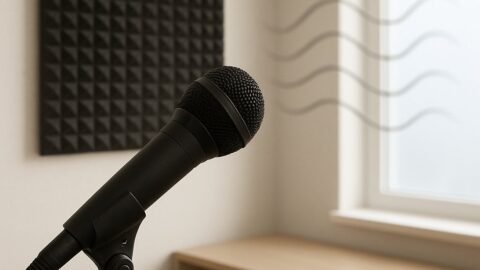
- “Shock mounts fix all noise.” They won’t stop echo or ambient noise—only mechanical vibrations. Room treatment is still important for complete control.
- “Any shock mount works for any mic.” Always check fit and compatibility to ensure proper isolation.
Conclusion: A Small Upgrade for Big Results
A shock mount is one of those upgrades that quietly pays off every time you record. By isolating your microphone from the unpredictability of daily life, it ensures your audio sounds polished and professional—allowing you to focus on creativity, not troubleshooting. Take the time to choose wisely, install carefully, and maintain your gear. You’ll instantly hear the difference, whether you’re fending off clumsy elbows, stampeding pets, or everyday bumps. Clean, distraction-free recordings are within reach—one simple accessory makes all the difference.