Audio Answers:
Studio Monitors vs Regular Speakers: What’s the Difference?
Question: “I heard people talking about studio monitors and regular speakers, but I don’t really get what makes them different. What’s the difference between studio monitors and regular speakers?”
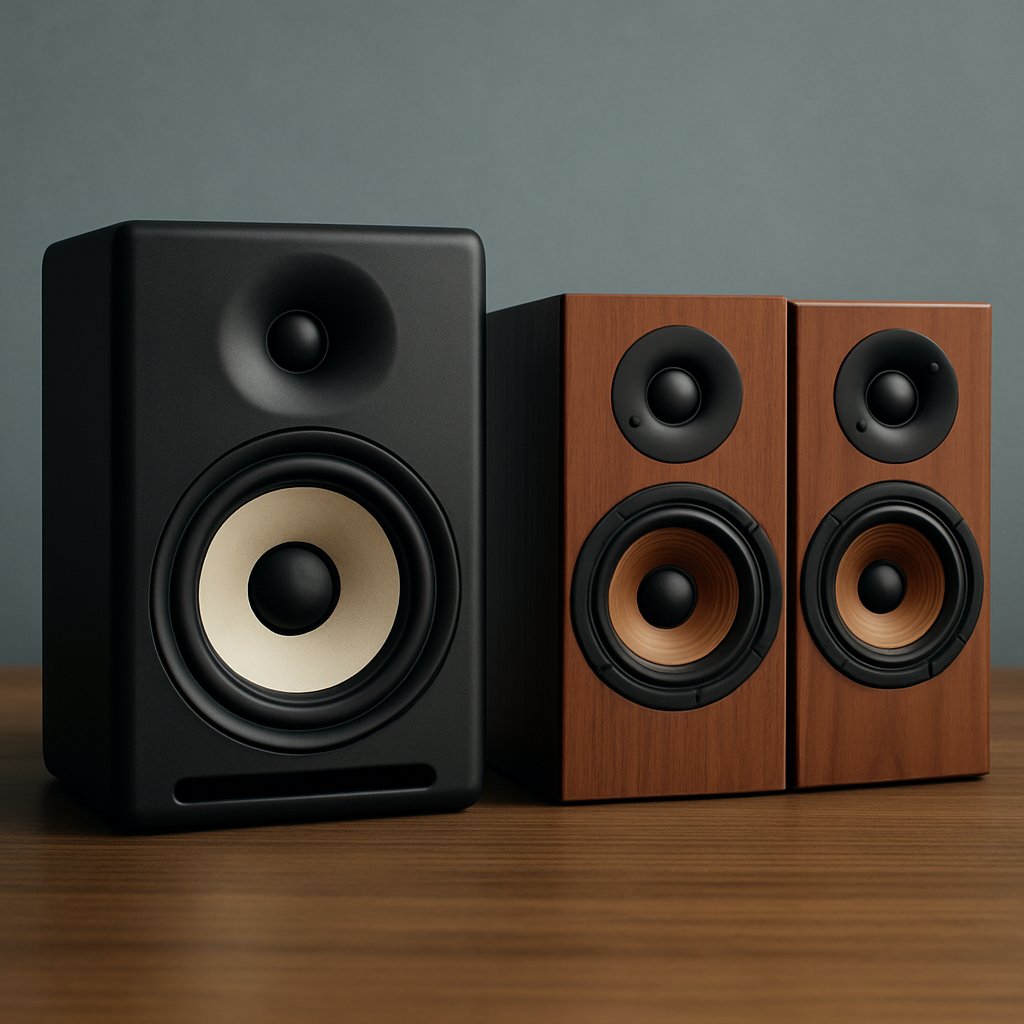
Understanding the difference between studio monitors and regular speakers is fundamental if you care about how your music or audio sounds—whether you’re creating tracks or simply listening for pleasure. Each is designed with a specific purpose in mind, and knowing which one suits your needs can make all the difference. Let’s walk through what sets them apart, how each works, and how to choose the right system for your space and listening habits.
Studio Monitors: Tools for Critical Listening
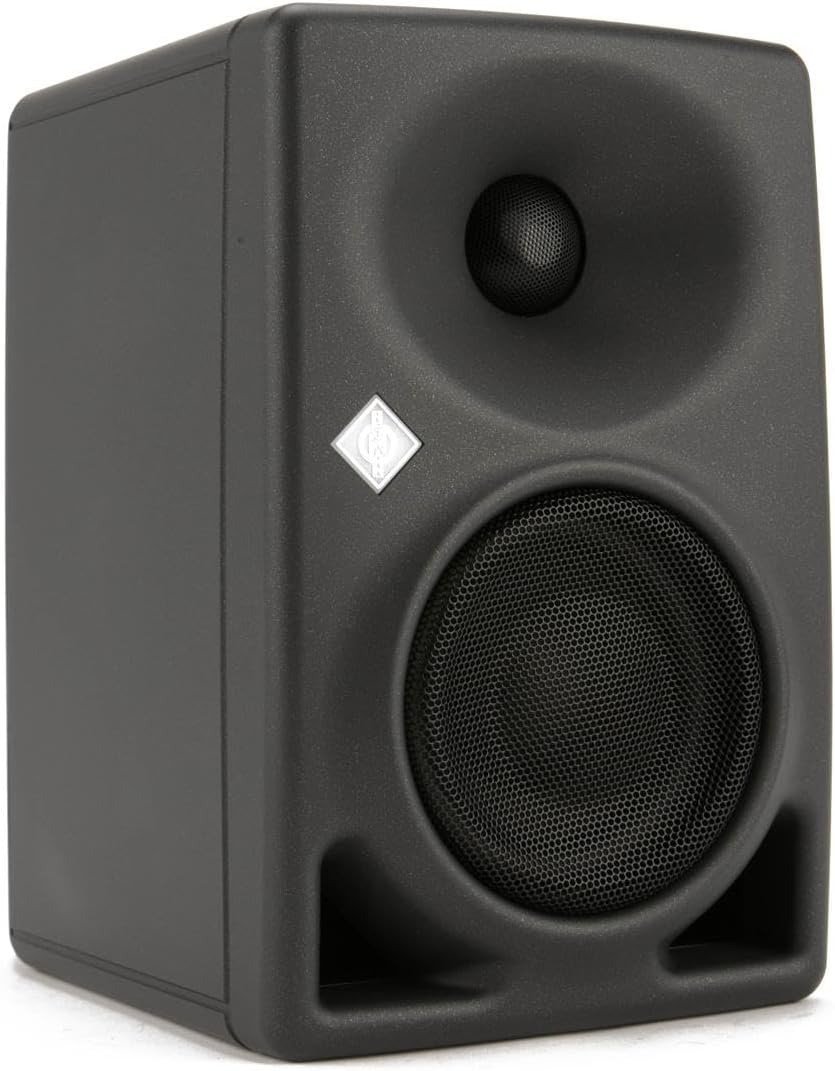
Studio monitors are engineered with a single goal: accuracy. They’re built not to flatter your music, but to let you hear it in its most honest form. This transparency is invaluable when making creative or technical decisions, and it’s one reason why mixing and mastering engineers depend on them.
Features That Define Studio Monitors
- Flat Frequency Response: Studio monitors aim for a response curve that doesn’t artificially boost or cut any frequencies. This flatness means flaws and strengths in your mix are revealed clearly—muddy bass, sibilant highs, or hidden details all come out, helping you address problems early.
- Nearfield vs. Farfield Designs: Not all studio spaces are equal, so monitors vary. Nearfield monitors are made for close listening in smaller rooms, minimizing the impact of room acoustics. Farfield monitors are larger, intended to fill big studios where more distance is needed.
- Active vs. Passive: Most home and project studios use active monitors, which have built-in amplifiers for simplicity and reliability. Passive monitors require external amps, making them more flexible for advanced setups but also more complex.
- Premium Build Quality: Vibration-resistant cabinets, robust drivers, and quality electronics are standard for studio monitors. These features ensure durability and minimize coloration or distortion, so you’re always hearing the real mix.
Regular Speakers: Designed for Everyday Enjoyment
In contrast, regular (or consumer) speakers are all about making your listening experience enjoyable. Their sound is often intentionally “voiced”—with added warmth, deepened bass, or sparkling highs—so your favorite music and movies sound lively and engaging right out of the box.
How Regular Speakers Enhance Listening
- Sound Tuning: Manufacturers often tweak frequency responses to bring out pleasing qualities—such as bass for energy or crisp treble for clarity—tailoring the sound to what most listeners enjoy, regardless of accuracy.
- Diverse Designs and Placement Flexibility: Regular speakers come in all shapes and sizes: compact bookshelf units, stylish towers, or surround sound systems. Many are made to blend with home decor, and looks matter as much as acoustics in the design process.
- Amplification Options: While typical regular speakers need an external amplifier or receiver, there are also powered, or “active”, models for users who prefer simpler setups.
- Focus on Aesthetics: Beyond acoustic considerations, consumer speakers are often crafted to complement your living space with appealing materials and finishes.
Studio Monitors vs. Regular Speakers: Core Differences
Now that we understand their basic philosophies, let’s bring these systems face to face. The real distinction lies not just in the details, but in how those details add up in practice.
Sound Reproduction and Accuracy
Studio monitors are about revealing the truth—if a track has problems, you’ll hear them. This accuracy ensures your mix translates well to all types of playback systems. Regular speakers, on the other hand, are tuned for enjoyment, enhancing elements of the sound that make music more immersive and lively, which can hide flaws but add excitement to casual listening.
If you want to dive deeper into a technical comparison of these two types of speakers—check out this alternative article explaining the differences between home stereo speakers and studio monitors as described by Neumann.
Environment and Intended Use
Studio monitors are purpose-built for environments where precision matters, such as studios or dedicated production spaces. Their sound is best appreciated (and most useful) when you’re actively shaping music or audio. Regular speakers are shaped by flexibility; they’re perfectly at home in a variety of spaces—living rooms, bedrooms, or offices—where you’re simply enjoying the content.
Connectivity and Components
Studio monitors often feature professional connections such as XLR or TRS, which provide cleaner signals and reduce interference—important for critical listening. Regular speakers generally opt for RCA, banana plugs, or even Bluetooth, focusing on convenience and compatibility in daily use. Their components and build may vary more widely, balancing performance with price and appearance.
Cost and Value
Accuracy comes at a price—studio monitors tend to cost more due to specialized drivers, electronics, and cabinet construction. Regular speakers cater to a wide audience, so there’s a model for every budget—from affordable starter models to high-end audiophile setups—though sometimes the price reflects exterior style as much as, or more than, performance.
Why Accuracy (Sometimes) Matters
The role of accuracy in audio comes down to how you use your speakers. If you’re producing music, podcasts, or any content to be heard broadly, you want a flat, honest sound. This approach gives you the confidence that your mix will sound balanced anywhere—on car stereos, headphones, club systems, or the family TV.
However, for most everyday listeners, accuracy isn’t the priority. We often prefer a sound with character, one that’s richer or more dynamic, because it simply feels better for relaxing, entertaining, or sharing music with friends. Our preferences and environment shape our expectations, and regular speakers cater directly to that desire for “feel-good” sound.
Choosing What’s Right for You
Your choice should reflect not only what you listen to, but how and where you listen.
Clarifying Your Goals
If you’re creating, editing, or mixing music—even as a hobbyist—investing in studio monitors is rarely regretted. Their clarity helps you spot problems and refine your sound. If you’re mainly listening for enjoyment—streaming playlists, watching movies, or entertaining—regular speakers offer the sound signature and presentation most people find pleasing.
The Importance of Room Acoustics and Placement
No matter which type you choose, your room and placement will affect performance tremendously. Untreated, reflective rooms can blur the accuracy of monitors and overwhelm the sound of regular speakers with unwanted resonance. Positioning speakers thoughtfully—at ear level, in an equilateral triangle for monitors, facing listeners for regular speakers—will maximize their potential and minimize issues like muddiness or harsh highs.
Recommended Models to Get Started
- Studio Monitors:
- Yamaha HS8: Renowned for its flat, honest sound—ideal for mixing clarity.
- KRK Rokit series: Slightly enhanced bass, making it versatile for various styles and home studios.
- Adam Audio A7X: Praised for excellent clarity and detail, trusted in professional environments.
- Also consider more detailed reviews like the Kali Audio IN-8 or Neumann KH 80 when narrowing your options for studio monitoring.
- Regular Speakers:
- Klipsch Reference: Dynamic, room-filling sound tailored for movies and energetic music listening.
- KEF LS50: Admired for refined sound and striking design, often a favorite among audiophiles.
- Polk Audio bookshelf series: Affordable, versatile, and easy to place—well-suited to most living spaces.
Conclusion: Finding the Best Fit
Ultimately, the right choice depends on your needs, your space, and what you want out of your sound system. Studio monitors are essential tools for accurate production work, while regular speakers make day-to-day listening more accessible and enjoyable. Understanding each system’s strengths ensures that, whatever your goal, you’ll get an audio experience that truly matches your expectations and elevates your enjoyment.