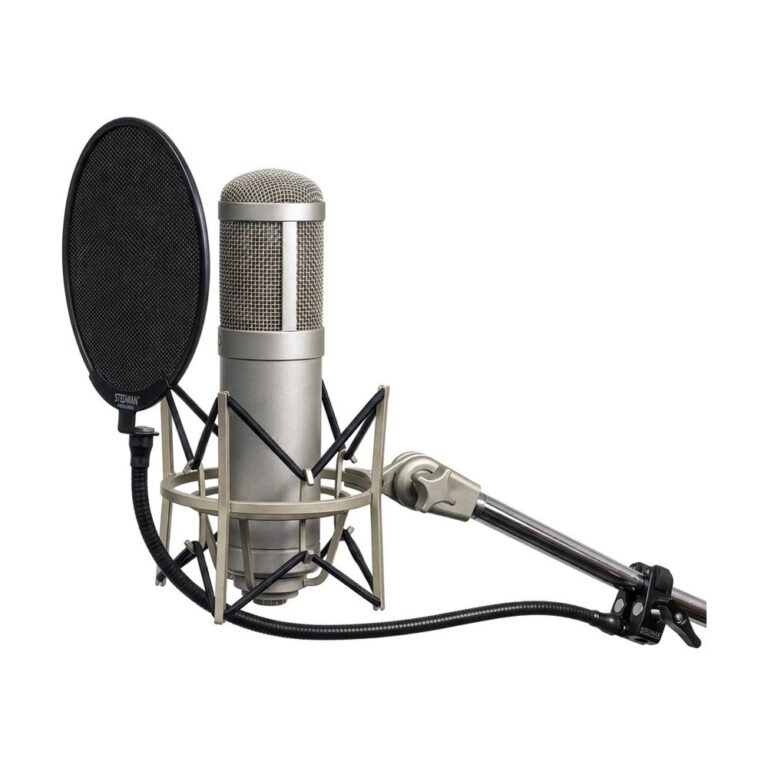
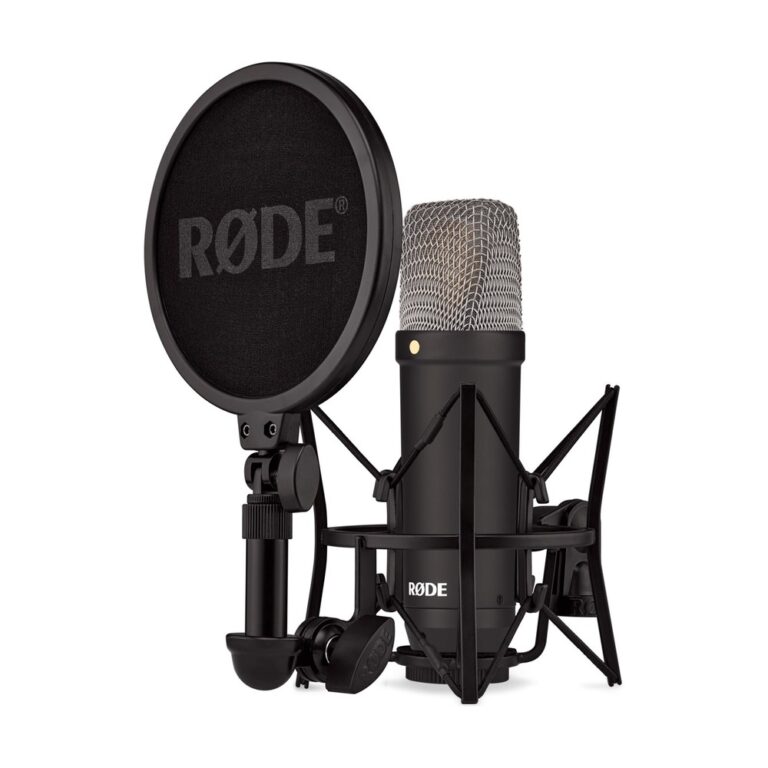
Look at almost any stage, in almost any bar, and you’ll find the same two microphones. The singer is holding a Shure SM58. The guitar amp has a Shure SM57 pointed at it. They came out in 1965 and 1966, and they’re still the first dynamic mics most people are told to buy.
So when you shop for your first one, the SM57 vs SM58 question comes up fast, usually with a rumor attached: they’re really the same mic. That’s closer to true than you’d think. But the one thing that differs decides what each is good at, and which one belongs in your home studio.
Same capsule, different grille
Here’s the part that surprises people: Shure says the SM57 and SM58 are built on the same cartridge design. Inside, they’re close relatives.
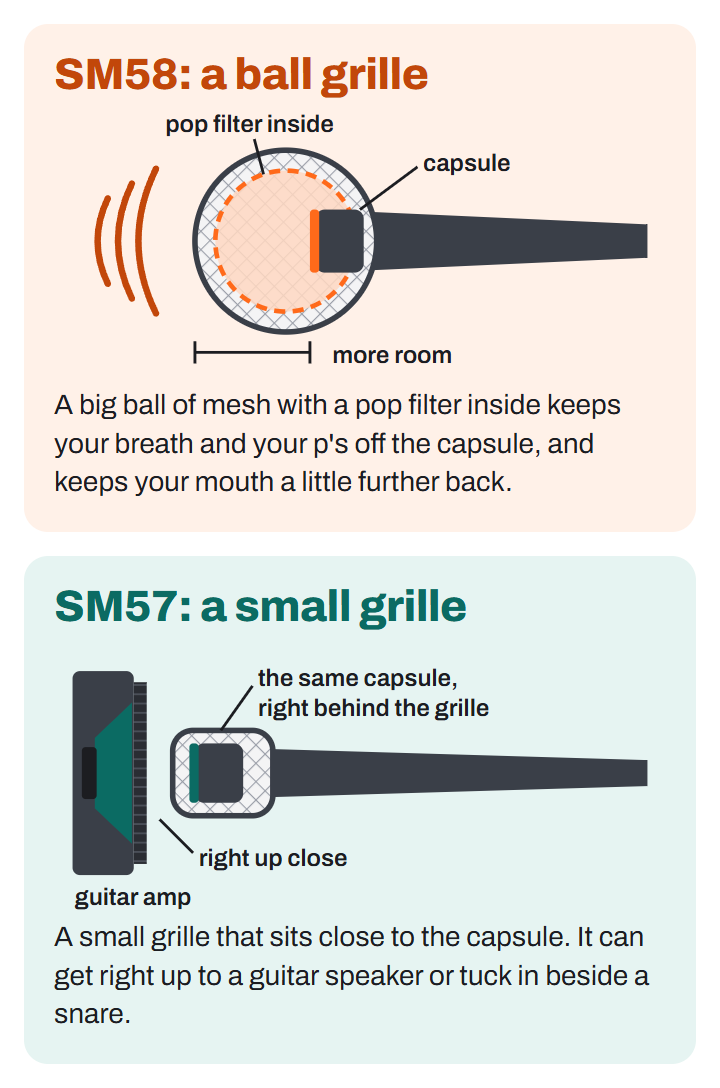
The difference is the grille, and it isn’t just looks. The SM58 wears a big ball of mesh with a pop filter built in. That keeps your breath and your p’s and b’s off the capsule, and it keeps your mouth a little further away, which softens the proximity effect, the boom you get from singing right up close.
The SM57’s grille is small and sits much closer to the capsule. You can push it right up to a guitar speaker or tuck it in beside a snare, and Shure says the design gives it slightly more output above 5 kHz. The catch is the same closeness: sing into it without a pop filter and you’ll hear every plosive, and more of that close-up boom.
So the question isn’t which one sounds better. It’s what you’ll put in front of it.
The SM58 for vocals
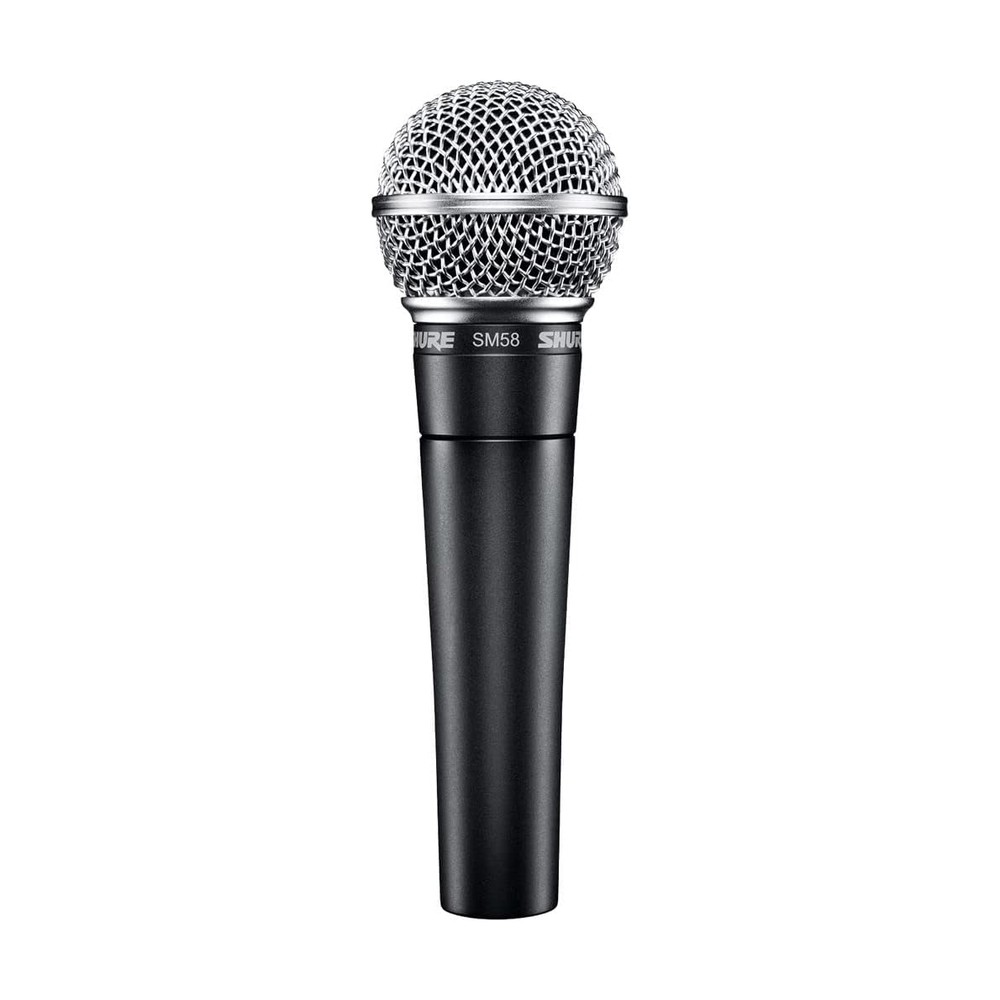
Shure calls the SM58 the most popular vocal microphone in the world, and for a home studio the reasons are simple. The pop filter you’d otherwise buy as an extra is already inside the grille. The bit of distance it builds in makes it forgiving: lean in on a loud line and it doesn’t turn boomy as quickly as the SM57 would. And like every dynamic, it hears what’s right in front of it and not much of your room, which is a gift in a bedroom with bare walls. It’s why the SM58 is our dynamic pick in dynamic vs condenser.
The catch: it isn’t the most detailed vocal mic you can buy. Next to a good condenser it sounds a little closed-in at the top, without the airy shimmer. For rap, rock, spoken word and loud singers that’s often no loss at all. For a soft, breathy voice in a quiet room, a condenser will flatter it more, and our condenser picks start at a beginner’s budget.
If your voice comes first, buy the SM58.
The SM57 for guitar amps and drums
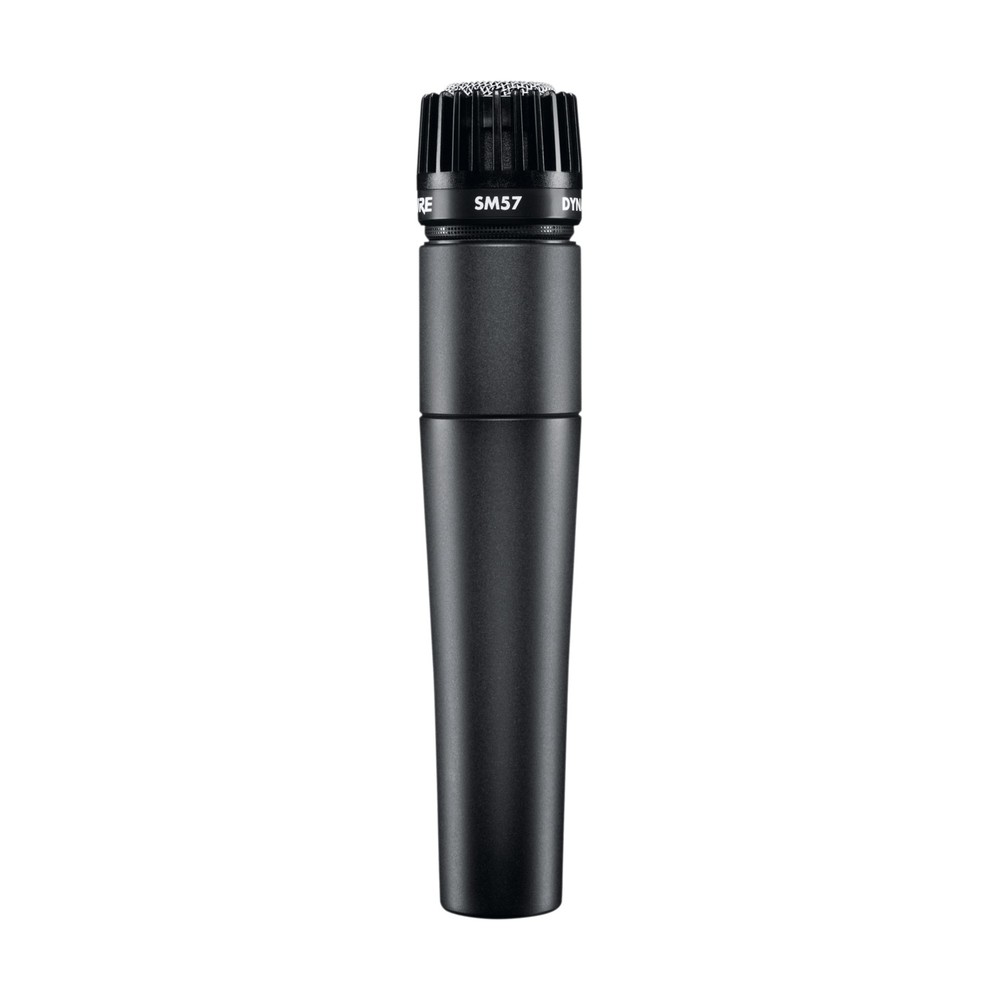
Shure says the SM57 is still number one for guitar amps and snares, live and in the studio, and that’s one maker’s claim few engineers would argue with. The small grille is the whole trick. It lets the mic sit an inch from the speaker cloth, aimed wherever on the speaker you like the sound best, or squeeze in between a snare and a hi-hat where a ball grille would knock into something.
Loud doesn’t bother it either. A cranked amp or a snare hit hard is exactly the kind of sound a dynamic mic takes in its stride, and the slight lift above 5 kHz, which Shure calls a presence rise, helps a guitar or a snare cut through.
Can it do vocals? Yes. Shure notes that engineers have used it on vocals, because its close-up boom and brighter top suit some singers. Put a pop filter or a foam windscreen in front of it first, because there’s nothing in that little grille to stop a hard “p”.
If you mostly record guitar amps or drums, buy the SM57.
If you can only buy one
Either one works. They’re close enough inside that an SM58 will record a guitar amp perfectly well, and an SM57 will record a voice. But they don’t fail the same way.
Think about which mistake is harder to fix. Pops and breath blasts on a vocal take are almost impossible to clean up afterwards; you sing it again. A guitar amp recorded with a ball grille an inch further back just sounds a touch less close, which you’ll likely never notice in a mix. So if you’ll record both and you’re not sure, start with the SM58. It’s the easier start for vocals and a perfectly decent amp mic.
And when the second one comes along, you’ll have the pair that covers nearly anything a beginner puts a dynamic mic in front of.
A step up: the Beta 58A and Beta 57A
Shure makes a newer version of each, the Beta 58A and Beta 57A, with a blue band around the grille and a higher price. Same idea, changed in four ways. The pickup pattern is supercardioid instead of cardioid, so it hears less from the sides. A neodymium magnet gives more output; Shure puts the Beta 58A about 4 dB hotter than the SM58. The frequency response reaches further at both ends, so the top is brighter. And the grille is hardened steel, harder to dent.
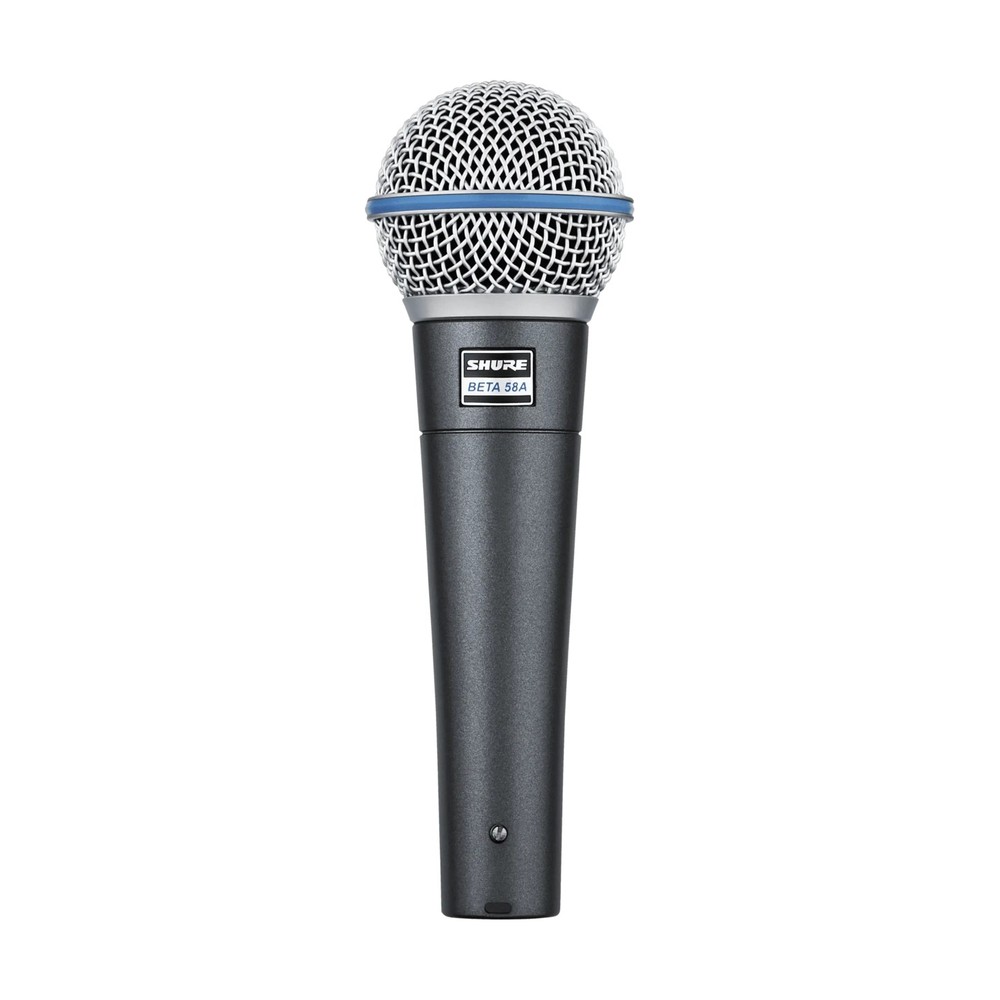
On a stage, those changes earn their price: a tighter pattern means less feedback from the monitors. In a bedroom studio the case is narrower. The extra output helps if your interface is short on gain, and the brighter top can suit a darker voice. But brighter isn’t better for every voice, and Shure says so itself: for a singer who shouts or screams, the extra sensitivity and detail can be a hindrance. A tighter pattern also asks you to stay more squarely in front of the mic.
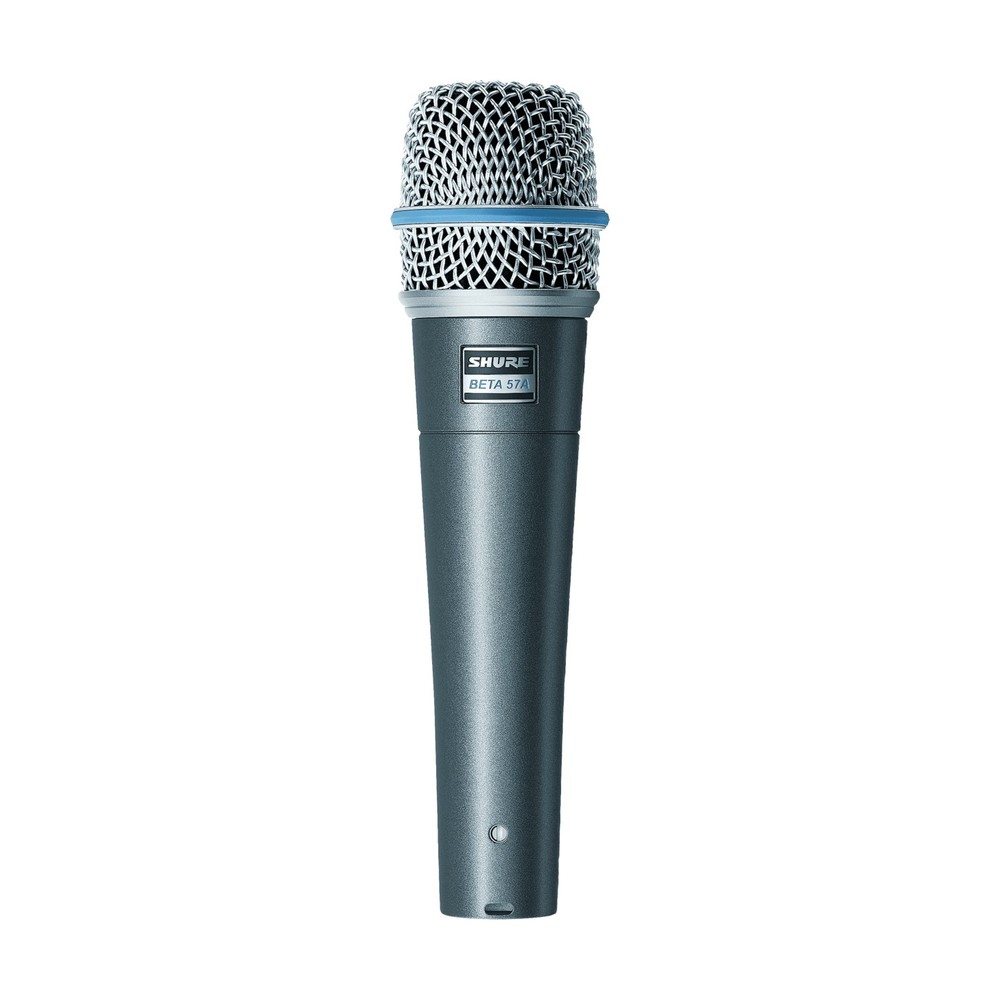
The Beta 57A gets the same treatment, plus a grille that protects the capsule better while still letting it sit up close. Shure’s own answer to whether it beats the SM57 is “it depends”, and it warns that the Beta shouldn’t be seen as an upgrade for everything. In the same breath it calls the plain SM57 number one for guitar amps and snares.
Our verdict: start with an SM58 or SM57. Go Beta if you also sing live and fight feedback, or if you already know your voice or your amp wants a brighter, hotter mic.
Watch out for fakes
Popular mics attract copies, and these two are as popular as mics get. Shure warns that fakes can be hard to spot, especially online, and that its warranty and repairs only cover mics bought from a Shure authorized retailer, which it lists on its website. Its main warning sign is a price that looks too good to be true.
So whichever shop you use, look at who’s actually selling the mic. On Amazon that’s the “Sold by” line next to the button. A stranger’s shop selling an SM58 for well under everyone else’s price is the one to skip.
What you’ll need with it
Neither mic comes with a cable, so budget for an XLR cable and a mic stand. Both mics also need a fair amount of gain, more than a condenser, so expect to turn your input knob further than you thought. A current interface like the Focusrite Scarlett 2i2 has plenty for either one, as long as you sing or play close (there’s more on gain in matching your mic to a preamp). If you’re still deciding whether you need an interface at all, start with do you need an audio interface, and skip the cheap XLR-to-USB cables: we explain why in USB vs XLR.
One more thing you can leave switched off: phantom power. Dynamic mics don’t use it, so there’s no need to press the 48V button for either of these.
Happy producing.